Abu Qrenat
Human settlement in Israel
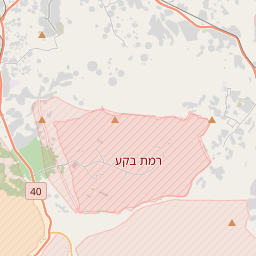
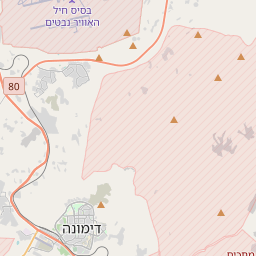
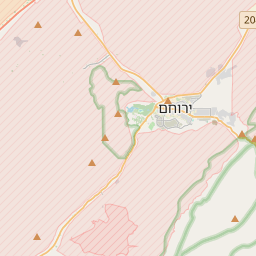
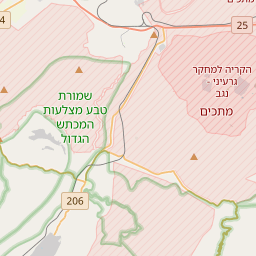
Abu Qrenat is a Bedouin village in southern Israel. It's located in the Negev desert, south of Highway 25, between the village of Abu Talul to the west and the Al-Talma mountain ridge to the east. The village, named after the local Abu Qureinat tribe, was unrecognized by the Israeli government until 1999.
Nº Q2747921 ★★★
Rara · Lugares
Abu Qrenat
Human settlement in Israel
Abu Qrenat is a Bedouin village in southern Israel. It's located in the Negev desert, south of Highway 25, between the village of Abu Talul to the west and the Al-Talma mountain ridge to the east. The village, named after the local Abu Qureinat tribe, was unrecognized by the Israeli government until 1999.
En el mapa
Último precio
—
Precio mínimo
—
Mediana 7 d
—
Ventas 30 d
0
Rango 30 d
—
En circulación
0
Cotización
mediana
mín – máx
ventas
Sin ventas en el periodo
Ver tabla
| Fecha | mediana | Mín | Máx | ventas |
|---|
Historial de ventas
- Última venta
- —
- Media 30 d
- —
- Mínimo 30 d
- —
- Máximo 30 d
- —
- Ventas 7 d
- 0
- Ventas 30 d
- 0
Aún no hay ventas.
Ventas anónimas: sin comprador ni vendedor. Las cifras solo cuentan ventas entre jugadores.
En Wikipedia
Texto en inglés Aún no hay artículo en tu idioma: extracto en inglés.
Abu Qrenat is a Bedouin village in southern Israel. It's located in the Negev desert, south of Highway 25, between the village of Abu Talul to the west and the Al-Talma mountain ridge to the east. The village, named after the local Abu Qureinat tribe, was unrecognized by the Israeli government until 1999. Although officially recognized, it still lacks basic services such as paved roads, electricity, and clinics. According to the Israel Central Bureau of Statistics, around 2,200 people live there, though local estimates suggest the population might be closer to 5,000. The village has faced home demolitions in recent years, like many nearby Bedouin communities. Archaeologists have also discovered ancient remains in the area, including pottery, buildings, and burial sites from periods such as the Byzantine, Early Muslim, and Ottoman eras
Texto: Wikipedia en inglés, CC BY-SA 4.0. ·
Cartas cercanas
Abu Talul
Bedouin village in Israel
Nº Q16207439 ★★★

Umm al-Hiran
Unrecognized Bedouin village in Israel
Nº Q16122068 ★★★

Negev Bedouin
Pastoral nomadic Arab tribes (Bedouin)
Nº Q574548 ★★

Adi Negev
Human settlement in Israel
Nº Q2903014 ★★★★
Abu Alkian
Bedouin clan
Nº Q2892519 ★★★

Unrecognized Bedouin villages in Israel
Legally ostracized townships in Israel
Nº Q7897352 ★★★★