
Ashdown Forest
Heathland area in the county of East Sussex
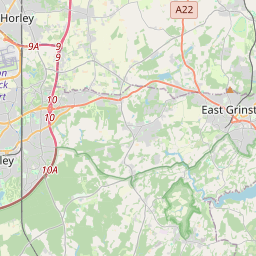
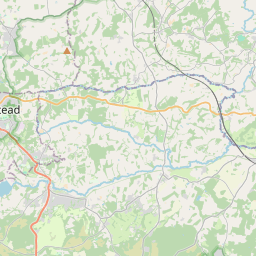
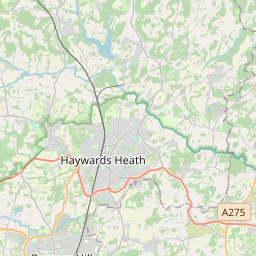
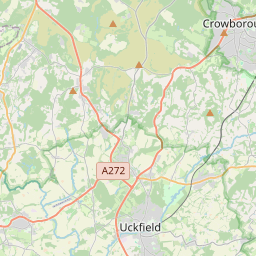
Ashdown Forest is an ancient area of open heathland occupying the highest sandy ridge-top of the High Weald National Landscape. It is situated 30 miles (48 km) south of London in the county East Sussex, England.
Nº Q2351129 ★★
Poco común · Lugares
Ashdown Forest
Heathland area in the county of East Sussex
Ashdown Forest is an ancient area of open heathland occupying the highest sandy ridge-top of the High Weald National Landscape. It is situated 30 miles (48 km) south of London in the county East Sussex, England.
En el mapa
Último precio
—
Precio mínimo
—
Mediana 7 d
—
Ventas 30 d
0
Rango 30 d
—
En circulación
0
Cotización
mediana
mín – máx
ventas
Sin ventas en el periodo
Ver tabla
| Fecha | mediana | Mín | Máx | ventas |
|---|
Historial de ventas
- Última venta
- —
- Media 30 d
- —
- Mínimo 30 d
- —
- Máximo 30 d
- —
- Ventas 7 d
- 0
- Ventas 30 d
- 0
Aún no hay ventas.
Ventas anónimas: sin comprador ni vendedor. Las cifras solo cuentan ventas entre jugadores.
En Wikipedia
Texto en inglés Aún no hay artículo en tu idioma: extracto en inglés.
Ashdown Forest is an ancient area of open heathland occupying the highest sandy ridge-top of the High Weald National Landscape. It is situated 30 miles (48 km) south of London in the county East Sussex, England. Rising to an elevation of 732 feet (223 m) above sea level, its heights provide expansive vistas across the heavily wooded hills of the Weald to the chalk escarpments of the North Downs and South Downs on the horizon. Ashdown Forest originated as a medieval hunting forest created soon after the Norman Conquest of England. By 1283 the forest was fenced in by a 23 miles (37 km) pale enclosing an area of 20 square miles (52 km2; 13,000 acres; 5,200 ha). Thirty-four gates and hatches in the pale, still remembered in place names such as Chuck Hatch and Chelwood Gate, allowed local people to enter to graze their livestock, collect firewood, and cut heather and bracken for animal bedding. The forest continued to be used by the monarchy and nobility for hunting into Tudor times, including notably Henry VIII, who had a hunting lodge at Bolebroke Castle, Hartfield and who courted Anne Boleyn at nearby Hever Castle. Ashdown Forest has a rich archaeological heritage. It contains much evidence of prehistoric human activity, with the earliest evidence of human occupation dating back to 50,000 years ago. There are important Bronze Age, Iron Age, and Romano-British remains. The forest was the centre of a nationally important iron industry on two occasions, during the Roman occupation of Britain and in the Tudor period when, in 1496, England's first blast furnace was built at Newbridge, near Coleman's Hatch, marking the beginning of Britain's modern iron and steel industry. In 1693, more than half the forest was taken into private hands, with the remainder set aside as common...
Texto: Wikipedia en inglés, CC BY-SA 4.0. · Imagen: User:UKgeofan (CC BY-SA 3.0) ·
Cartas cercanas

Bosque de Epping
Zona boscosa seminatural al noreste de Londres, Inglaterra, Reino Unido
Nº Q1347643 ★★

Crowborough
Ciudad de Inglaterra
Nº Q179259 ★★

New Forest
Nº Q277755 ★★★★

South Downs
Conjunto de colinas del litoral sur de Inglaterra
Nº Q584108 ★★

Sussex
Condado histórico del sur de Inglaterra
Nº Q23346 ★★★★

Highams Park
Barrio de Londres, Inglaterra, Reino Unido
Nº Q4576305 ★★