
Bremetennacum
Human settlement in Ribchester, Ribble Valley, Lancashire, England, UK
Bremetennacum, ([brɛmɛˈteːnːakʊm]), or Bremetennacum Veteranorum, was a Roman fort on the site of the present day village of Ribchester in Lancashire, England (grid reference SD650350). (Misspellings in ancient geographical texts include Bremetonnacum, Bremetenracum or Bresnetenacum.) The site is a Scheduled Monument.
Nº Q4960578 ★★
Poco común · Lugares
Bremetennacum
Human settlement in Ribchester, Ribble Valley, Lancashire, England, UK
Bremetennacum, ([brɛmɛˈteːnːakʊm]), or Bremetennacum Veteranorum, was a Roman fort on the site of the present day village of Ribchester in Lancashire, England (grid reference SD650350). (Misspellings in ancient geographical texts include Bremetonnacum, Bremetenracum or Bresnetenacum.) The site is a Scheduled Monument.
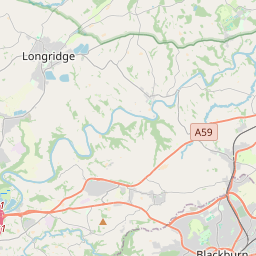
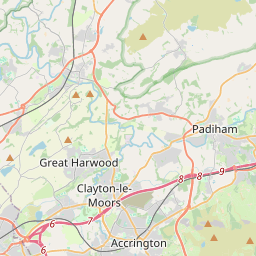
En el mapa
Último precio
—
Precio mínimo
—
Mediana 7 d
—
Ventas 30 d
0
Rango 30 d
—
En circulación
0
Cotización
mediana
mín – máx
ventas
Sin ventas en el periodo
Ver tabla
| Fecha | mediana | Mín | Máx | ventas |
|---|
Historial de ventas
- Última venta
- —
- Media 30 d
- —
- Mínimo 30 d
- —
- Máximo 30 d
- —
- Ventas 7 d
- 0
- Ventas 30 d
- 0
Aún no hay ventas.
Ventas anónimas: sin comprador ni vendedor. Las cifras solo cuentan ventas entre jugadores.
En Wikipedia
Texto en inglés Aún no hay artículo en tu idioma: extracto en inglés.
Bremetennacum, ([brɛmɛˈteːnːakʊm]), or Bremetennacum Veteranorum, was a Roman fort on the site of the present day village of Ribchester in Lancashire, England (grid reference SD650350). (Misspellings in ancient geographical texts include Bremetonnacum, Bremetenracum or Bresnetenacum.) The site is a Scheduled Monument. The site guarded a crossing-point of the River Ribble. The first known Roman activity was the building of a timber fort, believed to have been constructed during the campaigns of Petillius Cerialis around AD 72/3. This was replaced by a stone fort in the 2nd century. For most of its existence the fort was garrisoned by Sarmatian auxiliaries, first stationed in Britain by Marcus Aurelius in 175. Prior to that it is suggested that the fort was garrisoned by the Ala II Asturum from Spain, but there is some uncertainty about this. Pottery evidence indicates that the fort was occupied for most of the 4th century until the end of the Roman period.
Texto: Wikipedia en inglés, CC BY-SA 4.0. · Imagen: --Immanuel Giel 08:07, 21 August 2007 (UTC) (Public domain) ·
Cartas cercanas
-

Warminster
Nº Q732745 ★
Sin ofertas
-

Caledonia
Nombre en latín dado por los romanos a la tierra correspondiente actualmente al norte de Escocia
Nº Q1048625 ★★★★
Sin ofertas
-

Talamone
Pueblo italiano en la provincia de Grosseto
Nº Q2073211 ★★★★
Sin ofertas
-

Lancaster Castle
Grade I listed castle in Lancaster, United Kingdom
Nº Q2969640 ★★
Sin ofertas
-

Northwich
Localidad de Inglaterra, Reino Unido
Nº Q2009813 ★
Sin ofertas
-

campañas britanas de Quinto Lolio Úrbico
Campañas militares romanas
Nº Q3651743 ★
Sin ofertas