
Bussang Pass
Mountain pass
The Col de Bussang (Bussang Pass) is one of the busiest passes in France's Vosges mountains. Located in the Grand Est region of France at an altitude of 727 m, it links Lorraine and Alsace via Route Nationale 66 (also European Route 512).
Nº Q493994 ★★
Poco común · Lugares
Bussang Pass
Mountain pass
The Col de Bussang (Bussang Pass) is one of the busiest passes in France's Vosges mountains. Located in the Grand Est region of France at an altitude of 727 m, it links Lorraine and Alsace via Route Nationale 66 (also European Route 512).
En el mapa
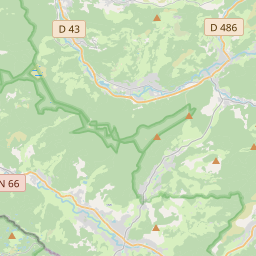
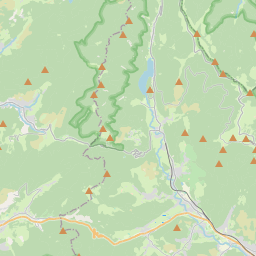
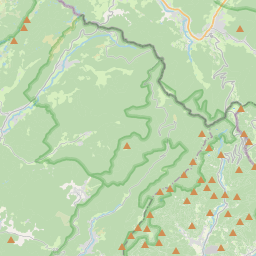
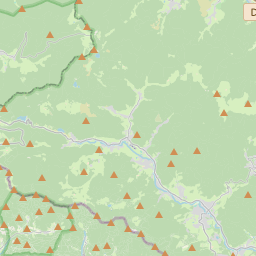
Último precio
—
Precio mínimo
—
Mediana 7 d
—
Ventas 30 d
0
Rango 30 d
—
En circulación
0
Cotización
mediana
mín – máx
ventas
Sin ventas en el periodo
Ver tabla
| Fecha | mediana | Mín | Máx | ventas |
|---|
Historial de ventas
- Última venta
- —
- Media 30 d
- —
- Mínimo 30 d
- —
- Máximo 30 d
- —
- Ventas 7 d
- 0
- Ventas 30 d
- 0
Aún no hay ventas.
Ventas anónimas: sin comprador ni vendedor. Las cifras solo cuentan ventas entre jugadores.
En Wikipedia
Texto en inglés Aún no hay artículo en tu idioma: extracto en inglés.
The Col de Bussang (Bussang Pass) is one of the busiest passes in France's Vosges mountains. Located in the Grand Est region of France at an altitude of 727 m, it links Lorraine and Alsace via Route Nationale 66 (also European Route 512). The two communes on the Lorraine side of the pass are Bussang, and the Alsace side is Urbès. The ridge crossing at Bussang is one of the main historical passes that have crossed the Vosges since ancient times, alongside the Col du Bonhomme, the Col du Donon, and the Col de Saverne. The importance of vehicular traffic over the Bussang pass has grown steadily since the last centuries of the Middle Ages, with the intensification of road and trade links between Flanders and Italy. The passage from the Vosges massif to the south is, therefore, part of a road network based on a so-called Lotharingian Europe, but by no means exclusive to the Flanders-Italy junction. To avoid climbing the passes of the southern Vosges, other trade routes took in the Alsatian plain or the Franche-Comté passes. The flourishing forestry and mining activities of the 15th to 17th centuries in the Upper Moselle Valley at the foot of the Ballon d'Alsace reinforced the local traffic around the Bussang pass, where raw material sites and processing factories were concentrated. The industrial and agropastoral activities of the Upper Moselle also encouraged the immigration of skilled workers from German-speaking countries on the Roman side of the pass, such as miners, marcaires from Switzerland, Alsace, and Germany, and coal miners from Sweden, the Tyrol and the Black Forest in the mountainous area between the Col du Bussang and the Col des Charbonniers. Defourny's Trésor des Chartes de Lorraine does not speak in terms of cols but rather of “passages” or “pertuis” in...
Texto: Wikipedia en inglés, CC BY-SA 4.0. · Imagen: Espirat (CC BY-SA 4.0) ·
Cartas cercanas

Northern Vosges
Mountains in France
Nº Q3563161 ★★

Col du Haag
Nº Q136749349 ★★

Col du Grand Ballon
Mountain pass in France
Nº Q2982276 ★★

Col de Saverne
Mountain pass
Nº Q138948 ★★

Cordillera de los Vosgos
Sistema montañoso en Francia
Nº Q187843 ★★★★★

GR 531 (France)
Long distance hiking route in France
Nº Q20723798 ★★