
Chishui River
Tributary of Yangtze River in the People's Republic of China
Chishui River (Chinese: 赤水河; pinyin: Chìshuǐ Hé; historically, 赤水; Chìshuǐ) is a major tributary of the upper Yangtze. Its name literally means "red water river"/"red river" because it shows reddish color in lower stream due to a large sediment concentration.
Nº Q1074840 ★★
Poco común · Lugares
Chishui River
Tributary of Yangtze River in the People's Republic of China
Chishui River (Chinese: 赤水河; pinyin: Chìshuǐ Hé; historically, 赤水; Chìshuǐ) is a major tributary of the upper Yangtze. Its name literally means "red water river"/"red river" because it shows reddish color in lower stream due to a large sediment concentration.
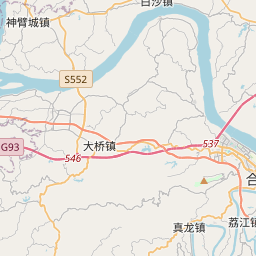
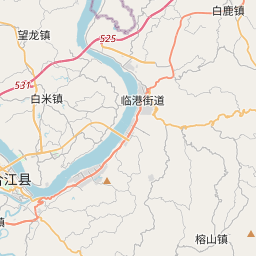
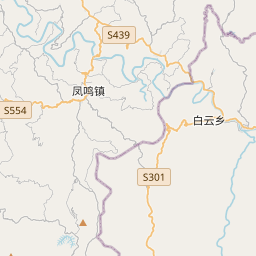
En el mapa

Último precio
—
Precio mínimo
—
Mediana 7 d
—
Ventas 30 d
0
Rango 30 d
—
En circulación
0
Cotización
mediana
mín – máx
ventas
Sin ventas en el periodo
Ver tabla
| Fecha | mediana | Mín | Máx | ventas |
|---|
Historial de ventas
- Última venta
- —
- Media 30 d
- —
- Mínimo 30 d
- —
- Máximo 30 d
- —
- Ventas 7 d
- 0
- Ventas 30 d
- 0
Aún no hay ventas.
Ventas anónimas: sin comprador ni vendedor. Las cifras solo cuentan ventas entre jugadores.
En Wikipedia
Texto en inglés Aún no hay artículo en tu idioma: extracto en inglés.
Chishui River (Chinese: 赤水河; pinyin: Chìshuǐ Hé; historically, 赤水; Chìshuǐ) is a major tributary of the upper Yangtze. Its name literally means "red water river"/"red river" because it shows reddish color in lower stream due to a large sediment concentration. With the source in Yunnan Province, it forms part of the boundary between the provinces of Guizhou and Sichuan and flows into Yangtze River in Sichuan. It is sometimes called the River of Wines since there are several types of famous Chinese wines, including Lang Wine, Xi Wine and Maotai, originated along the river. It is also known as the field of a major battle (the Four Crossings of Chishui) commanded by Mao Zedong in 1935 during the Long March of the Red Army. The Jiming Three Provinces Bridge is being built where 3 provinces of Sichuan, Guizhou, and Yunnan meet.
Texto: Wikipedia en inglés, CC BY-SA 4.0. · Imagen: Fanghong (CC BY-SA 3.0) ·
Cartas cercanas
-

Shishou
County-level city in Jingzhou, Hubei province, China
Nº Q1359319 ★★
Sin ofertas
-

Río Jinsha
Nº Q1038418 ★
Sin ofertas
-

Río Nanpan
Nº Q1569231 ★★
Sin ofertas
-

Chishui
County-level city
Nº Q65367 ★★★
Sin ofertas
-

Nanxi River (Yunnan)
Tributary of the Red River in Yunnan
Nº Q1625390 ★★
Sin ofertas
-

Ying River
River in People's Republic of China
Nº Q2341287 ★★
Sin ofertas