
Govan
Barrio de Glasgow, Escocia
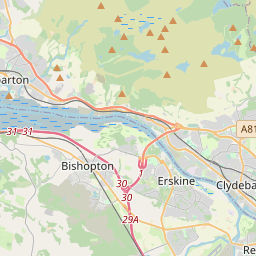
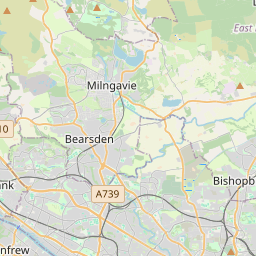
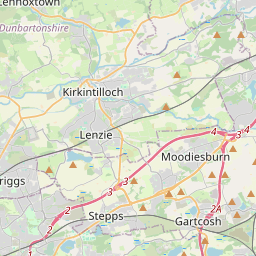
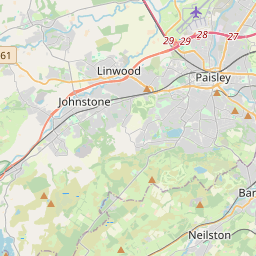
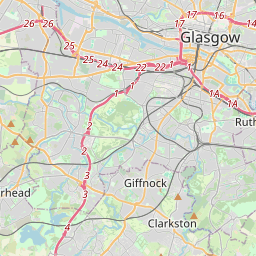
Govan ( GUV-ən; Scottish Gaelic: Baile a' Ghobhainn) is a district, parish, and former burgh now part of southwest Glasgow, Scotland. It is situated 2+1⁄2 miles (4 kilometres) west of Glasgow city centre, on the south bank of the River Clyde, opposite the mouth of the River Kelvin and the district of Partick.
Nº Q1414040 ★★
Poco común · Lugares
Govan
Barrio de Glasgow, Escocia
Govan ( GUV-ən; Scottish Gaelic: Baile a' Ghobhainn) is a district, parish, and former burgh now part of southwest Glasgow, Scotland. It is situated 2+1⁄2 miles (4 kilometres) west of Glasgow city centre, on the south bank of the River Clyde, opposite the mouth of the River Kelvin and the district of Partick.
En el mapa
Último precio
—
Precio mínimo
—
Mediana 7 d
—
Ventas 30 d
0
Rango 30 d
—
En circulación
0
Cotización
mediana
mín – máx
ventas
Sin ventas en el periodo
Ver tabla
| Fecha | mediana | Mín | Máx | ventas |
|---|
Historial de ventas
- Última venta
- —
- Media 30 d
- —
- Mínimo 30 d
- —
- Máximo 30 d
- —
- Ventas 7 d
- 0
- Ventas 30 d
- 0
Aún no hay ventas.
Ventas anónimas: sin comprador ni vendedor. Las cifras solo cuentan ventas entre jugadores.
En Wikipedia
Texto en inglés Aún no hay artículo en tu idioma: extracto en inglés.
Govan ( GUV-ən; Scottish Gaelic: Baile a' Ghobhainn) is a district, parish, and former burgh now part of southwest Glasgow, Scotland. It is situated 2+1⁄2 miles (4 kilometres) west of Glasgow city centre, on the south bank of the River Clyde, opposite the mouth of the River Kelvin and the district of Partick. Historically it was part of the County of Lanark. In the early medieval period, the site of the present Govan Old churchyard was established as a Christian centre for the Brittonic Kingdom of Alt Clut (Dumbarton Rock) and its successor realm, the Kingdom of Strathclyde. This latter kingdom, established in the aftermath of the Viking siege and capture of Alt Clut by Vikings from Dublin in 870, created the stone sculptures known today as the Govan Stones. Govan was the site of a ford and later a ferry which linked the area with Partick for seasonal cattle drovers. In the eighteenth and nineteenth centuries, textile mills and coal mining were important; in the early-nineteenth century, shipbuilding emerged as Govan's principal industry. In 1864, Govan gained burgh status, and was the fifth-largest burgh in Scotland. It was incorporated into the City of Glasgow in 1912.
Texto: Wikipedia en inglés, CC BY-SA 4.0. · Imagen: Njellis (Public domain) ·
Cartas cercanas

Clydebank
Ciudad de West Dunbartonshire, Escocia, Reino Unido
Nº Q996502 ★★

Gorbals
Área en la ciudad de Glasgow, Escocia
Nº Q3643362 ★★

Irvine (Escocia)
Ciudad del condado de Ayrshire, Escocia, Reino Unido
Nº Q1774629 ★★

Rutherglen
Pueblo de Escocia, Reino Unido
Nº Q2287588 ★

Dunoon
Localidad en Argyll y Bute, Escocia
Nº Q1020251 ★★

Río Clyde
Río de Escocia
Nº Q19721 ★★