
Mount Amagi
Mountain in Shizuoka Prefecture, Japan
Mount Amagi (天城山, Amagi-san) is a range of volcanic mountains in central Izu Peninsula in Shizuoka Prefecture, Japan, forming the border between Izu City and Higashi-Izu Town. It is also referred to as the Amagi Mountain Range (天城連山, Amagi Renzan).
Nº Q3276672 ★★★
Rara · Lugares
Mount Amagi
Mountain in Shizuoka Prefecture, Japan
Mount Amagi (天城山, Amagi-san) is a range of volcanic mountains in central Izu Peninsula in Shizuoka Prefecture, Japan, forming the border between Izu City and Higashi-Izu Town. It is also referred to as the Amagi Mountain Range (天城連山, Amagi Renzan).
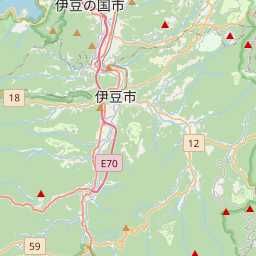
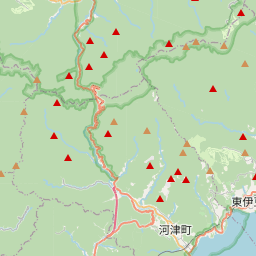
En el mapa


Último precio
—
Precio mínimo
—
Mediana 7 d
—
Ventas 30 d
0
Rango 30 d
—
En circulación
0
Cotización
mediana
mín – máx
ventas
Sin ventas en el periodo
Ver tabla
| Fecha | mediana | Mín | Máx | ventas |
|---|
Historial de ventas
- Última venta
- —
- Media 30 d
- —
- Mínimo 30 d
- —
- Máximo 30 d
- —
- Ventas 7 d
- 0
- Ventas 30 d
- 0
Aún no hay ventas.
Ventas anónimas: sin comprador ni vendedor. Las cifras solo cuentan ventas entre jugadores.
En Wikipedia
Texto en inglés Aún no hay artículo en tu idioma: extracto en inglés.
Mount Amagi (天城山, Amagi-san) is a range of volcanic mountains in central Izu Peninsula in Shizuoka Prefecture, Japan, forming the border between Izu City and Higashi-Izu Town. It is also referred to as the Amagi Mountain Range (天城連山, Amagi Renzan). The Amagi mountains have several peaks, the tallest of which are Bansaburōdake (万三郎岳) at 1,406 metres (4,613 ft), Banjirōdake (万二郎岳) at 1,300 metres (4,300 ft), and Tōgasayama (遠笠山) at 1,197 metres (3,927 ft). There are several hiking routes to the top. Flora in the area include rhododendrons, Japanese andromeda, stewartia monadelpha and Siebold's beech. Many ships of the Imperial Japanese Navy were named after it, including a corvette, a battlecruiser and an aircraft carrier. Amagi is listed as one of the 100 Famous Japanese Mountains in a book composed in 1964 by mountaineer/author Kyūya Fukada.
Texto: Wikipedia en inglés, CC BY-SA 4.0. · Imagen: Batholith (Public domain) ·
Cartas cercanas
-

Mount Shizuhata
Mountain in Japan
Nº Q11635100 ★★
Sin ofertas
-

Monte Izumi Katsuragi
Montaña de Japón
Nº Q11417836 ★★
Sin ofertas
-

Amagi (Kagoshima)
Nº Q1350711 ★★
Sin ofertas
-

Sierra Ibuki
Nº Q4387713 ★
Sin ofertas
-
A
Amagiyugashima, Shizuoka
Dissolved municipality in Tagata district, Shizuoka prefecture, Japan
Nº Q4739134 ★★
Sin ofertas
-

Mount Ōbami
Mountain in Japan
Nº Q11433651 ★★
Sin ofertas