
Ngawen
8th-century Buddhist temple compound in Java, Indonesia
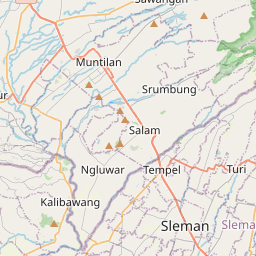
Ngawen (known locally as Candi Ngawen) is an 8th-century Buddhist temple compound in Magelang Regency, Central Java, Indonesia. Located in Ngawen village, Muntilan sub-district, 6 km (3.7 mi) to the east of Mendut temple or 5 km (3.1 mi) to the south of Muntilan town center.
Nº Q11101768 ★★★
Rara · Lugares
Ngawen
8th-century Buddhist temple compound in Java, Indonesia
Ngawen (known locally as Candi Ngawen) is an 8th-century Buddhist temple compound in Magelang Regency, Central Java, Indonesia. Located in Ngawen village, Muntilan sub-district, 6 km (3.7 mi) to the east of Mendut temple or 5 km (3.1 mi) to the south of Muntilan town center.
En el mapa
Último precio
—
Precio mínimo
—
Mediana 7 d
—
Ventas 30 d
0
Rango 30 d
—
En circulación
0
Cotización
mediana
mín – máx
ventas
Sin ventas en el periodo
Ver tabla
| Fecha | mediana | Mín | Máx | ventas |
|---|
Historial de ventas
- Última venta
- —
- Media 30 d
- —
- Mínimo 30 d
- —
- Máximo 30 d
- —
- Ventas 7 d
- 0
- Ventas 30 d
- 0
Aún no hay ventas.
Ventas anónimas: sin comprador ni vendedor. Las cifras solo cuentan ventas entre jugadores.
En Wikipedia
Texto en inglés Aún no hay artículo en tu idioma: extracto en inglés.
Ngawen (known locally as Candi Ngawen) is an 8th-century Buddhist temple compound in Magelang Regency, Central Java, Indonesia. Located in Ngawen village, Muntilan sub-district, 6 km (3.7 mi) to the east of Mendut temple or 5 km (3.1 mi) to the south of Muntilan town center. Ngawen temple compound consists of five temples, however, today only one is successfully reconstructed. Ngawen is thought to be connected with the other three Buddhist temples nearby — Mendut, Pawon, and Borobudur — all of which were built during the Sailendra dynasty (8th–9th centuries). According to the satellite map observation, the four temples; Borobudur, Pawon, Mendut and Ngawen are actually forming a straight line spanning west to east slightly tilted northeast with eastern end pointing to the peak of Mount Merapi. From the detail and style of its carving, this temple is estimated to be slightly older than Borobudur. The temple is notable for its exquisite statues of rampant lions on each corners of the temples. Since its discovery in 1874, the temple has suffered looting and artifact theft.
Texto: Wikipedia en inglés, CC BY-SA 4.0. · Imagen: Unknown authorUnknown author (CC BY-SA 3.0) ·
Cartas cercanas

Borobudur
Monumento budista
Nº Q42798 ★★★★
Ngawen
Village in Magelang Regency, Central Java, Indonesia
Nº Q12500516 ★★★

Pawon
Buddhist temple in Java, Indonesia
Nº Q3056346 ★★★

Templo de Mendut
Templo budista de Java
Nº Q2746626 ★

Jawi Temple
Hindu-Buddhist temple in East Java, Indonesia
Nº Q6166127 ★★★★

Lumbung
9th-century Buddhist temple compound in Central Java, Indonesia
Nº Q6703169 ★★★