
Petralona Cave
Cave and archeological location in Petralona, Chalkidiki, Greece
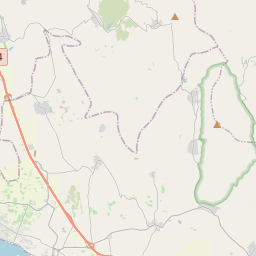
The Petralona Cave (Greek: Σπήλαιο Πετραλώνων) a karst formation, is located at 300 m (984 ft) above sea-level on the western foot of Mount Katsika, about 1 km (0.62 mi) east of the village of Petralona, about 35 km (22 mi) south-east of Thessaloniki city on the Chalkidiki peninsula, Greece. The site came to public attention when in 1960 a fossilized archaic human skull was found.
Nº Q2302464 ★★
Poco común · Lugares
Petralona Cave
Cave and archeological location in Petralona, Chalkidiki, Greece
The Petralona Cave (Greek: Σπήλαιο Πετραλώνων) a karst formation, is located at 300 m (984 ft) above sea-level on the western foot of Mount Katsika, about 1 km (0.62 mi) east of the village of Petralona, about 35 km (22 mi) south-east of Thessaloniki city on the Chalkidiki peninsula, Greece. The site came to public attention when in 1960 a fossilized archaic human skull was found.
En el mapa
Último precio
—
Precio mínimo
—
Mediana 7 d
—
Ventas 30 d
0
Rango 30 d
—
En circulación
0
Cotización
mediana
mín – máx
ventas
Sin ventas en el periodo
Ver tabla
| Fecha | mediana | Mín | Máx | ventas |
|---|
Historial de ventas
- Última venta
- —
- Media 30 d
- —
- Mínimo 30 d
- —
- Máximo 30 d
- —
- Ventas 7 d
- 0
- Ventas 30 d
- 0
Aún no hay ventas.
Ventas anónimas: sin comprador ni vendedor. Las cifras solo cuentan ventas entre jugadores.
En Wikipedia
Texto en inglés Aún no hay artículo en tu idioma: extracto en inglés.
The Petralona Cave (Greek: Σπήλαιο Πετραλώνων) a karst formation, is located at 300 m (984 ft) above sea-level on the western foot of Mount Katsika, about 1 km (0.62 mi) east of the village of Petralona, about 35 km (22 mi) south-east of Thessaloniki city on the Chalkidiki peninsula, Greece. The site came to public attention when in 1960 a fossilized archaic human skull was found. The cave had been discovered accidentally only a year earlier (1959) after erosion had left clefts in the rock. "Bejeweled" with impressive stalactite and stalagmite formations and holding an abundance of fossils, the cave soon attracted geologists and paleontologists. After decades' excavations the cave is open to the public and scientific work is documented and presented in an adjacent archaeological museum. The cave's most prominent fossil specimen has since been known among paleoanthropologists as the "Petralona Skull". The onsite museum displays a selection of the objects that have been found in the cave. In 2011, the cave and museum of Petralona came under the direction of the Greek Archaeological Service, a governmental agency. Since February 2024, Petralona Cave has reopened to the public after undergoing renovations to its infrastructure, while within the spring of 2024, the renovated Museum of Petralona Cave is expected to open.
Texto: Wikipedia en inglés, CC BY-SA 4.0. · Imagen: Sven Dittmar (CC BY-SA 3.0) ·
Cartas cercanas

Meteora
Grupo de monasterios griegos Patrimonio de la Humanidad
Nº Q3125051 ★★★★

cueva de Qafzeh
Yacimiento arqueológico en Israel
Nº Q2121357 ★

Melissani Cave
Cave and cenote in Kefalonia, Greece
Nº Q1573013 ★★★

Verteba Cave
Geological natural monument in Ternopil Oblast, Ukraine
Nº Q12088785 ★★★★

Gruta del Apocalipsis
Gruta del Apocalipsis
Nº Q1978886 ★★

Peratallada
Localidad de la provincia de Gerona, España
Nº Q1022932 ★★★★