
Ram Janmabhoomi
Archaeological site in India, believed to be the birthplace of Rama
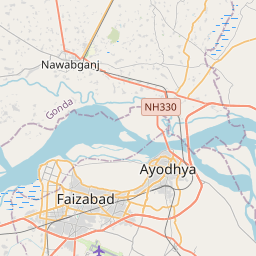
Ram Janmabhoomi (lit. 'Birthplace of Rama') is the site that, according to Hindu religious beliefs, is the birthplace of Rama, the seventh avatar of the Hindu deity Vishnu. The Ramayana states that the location of Rama's birthplace is on the banks of the Sarayu river in a city called "Ayodhya".
Nº Q1939912 ★
Común · Lugares
Ram Janmabhoomi
Archaeological site in India, believed to be the birthplace of Rama
Ram Janmabhoomi (lit. 'Birthplace of Rama') is the site that, according to Hindu religious beliefs, is the birthplace of Rama, the seventh avatar of the Hindu deity Vishnu. The Ramayana states that the location of Rama's birthplace is on the banks of the Sarayu river in a city called "Ayodhya".
En el mapa
Último precio
—
Precio mínimo
—
Mediana 7 d
—
Ventas 30 d
0
Rango 30 d
—
En circulación
0
Cotización
mediana
mín – máx
ventas
Sin ventas en el periodo
Ver tabla
| Fecha | mediana | Mín | Máx | ventas |
|---|
Historial de ventas
- Última venta
- —
- Media 30 d
- —
- Mínimo 30 d
- —
- Máximo 30 d
- —
- Ventas 7 d
- 0
- Ventas 30 d
- 0
Aún no hay ventas.
Ventas anónimas: sin comprador ni vendedor. Las cifras solo cuentan ventas entre jugadores.
En Wikipedia
Texto en inglés Aún no hay artículo en tu idioma: extracto en inglés.
Ram Janmabhoomi (lit. 'Birthplace of Rama') is the site that, according to Hindu religious beliefs, is the birthplace of Rama, the seventh avatar of the Hindu deity Vishnu. The Ramayana states that the location of Rama's birthplace is on the banks of the Sarayu river in a city called "Ayodhya". Modern-day Ayodhya is in the north Indian state of Uttar Pradesh. It is contested whether the Ayodhya mentioned in the Ramayana is the same as the modern city. Some Hindus claim that the exact site of Rama's birthplace is within the grounds where the Babri Masjid once stood in the present-day Ayodhya, with this belief extending back to at least 1785 by a Jesuit missionary Joseph Tiefenthaler. It has been suggested that a temple to Rama formerly existed at the same site as the Babri Masjid until it was replaced by the mosque, an idea supported by a court-ordered report of the Archaeological Survey of India following archaeological excavations around the ruins of the mosque, though the existence of this temple and the conclusions of the report are disputed. Idols of Rama and Sita were placed in the mosque in 1949. In 1992, the demolition of the Babri Masjid by Hindu nationalists triggered widespread Hindu-Muslim violence. The legal dispute over the property reached the Indian Supreme Court, which ruled in November 2019 that the property be handed to a trust to construct a Hindu temple.
Texto: Wikipedia en inglés, CC BY-SA 4.0. · Imagen: anonymous (Public domain) ·
Cartas cercanas
Ram Mandir
Templo hindú en Ayodhya, Uttar Pradesh (India)
Nº Q96401169 ★★★

Babri Masjid
Mezquita de la India
Nº Q656765 ★★★

Ayodhya (Ramayana)
The Capital of The Ikshvaku Dynasty
Nº Q55604583 ★★

Rama (dios)
Dios hindú, Avatar de Vishnu, representa la lealtad a las tradiciones religiosas y sociales
Nº Q160213 ★★★★

Sita Ramachandraswamy Temple, Bhadrachalam
Hindu temple in Telangana, India
Nº Q3523674 ★

demolición de la Babri Masjid
Disturbio religioso en la India
Nº Q657494 ★★★