

Poco común · Lugares
Shengavit District
Place in Yerevan, Armenia
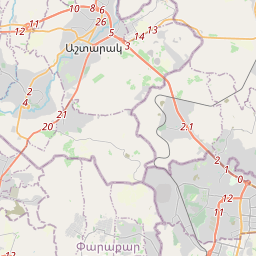
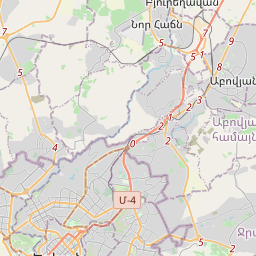
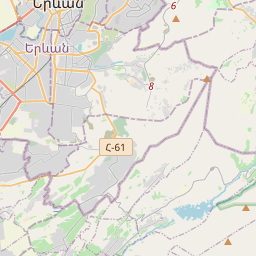
Shengavit (Armenian: Շենգավիթ վարչական շրջան, romanized: Shengavit’ varch’akan shrjan), is one of the 12 districts of Yerevan, the capital of Armenia, located at the low southwestern part of the city. It has common borders with the Yerevan districts of Malatia-Sebastia, Kentron (Center), Erebuni and Nubarashen.
En el mapa

En Wikipedia
Texto en inglés Aún no hay artículo en tu idioma: extracto en inglés.
Shengavit (Armenian: Շենգավիթ վարչական շրջան, romanized: Shengavit’ varch’akan shrjan), is one of the 12 districts of Yerevan, the capital of Armenia, located at the low southwestern part of the city. It has common borders with the Yerevan districts of Malatia-Sebastia, Kentron (Center), Erebuni and Nubarashen. Ararat Province forms the southern borders of the district. "Shengavit" is the historical name of the ancient settlement area and is composed of shen (Armenian "շեն" meaning "prosperous") and gavit ("գավիթ" meaning "parish"; "courtyard-like space"; also "narthex" in Armenian church architecture). Home to one of Armenia's most significant prehistoric sites - the ancient Shengavit settlement (an ancient town with fortress walls, metallurgy workshops, and complex religious systems - approximately 6000 years old), Shengavit can be called the "cradle of Yerevan" due to its deep historical roots. Today with an area of 48.5 km (18.16% of Yerevan city area), Shengavit is the 2nd-largest district of Yerevan in terms of area. As of 2022, the population of the district is around 140,525. It is unofficially divided into smaller neighborhoods such as Lower Shengavit, Upper Shengavit, Lower Charbakh, Upper Charbakh, Noragavit, Nor Koghb, and Aeratsia. While in Soviet times, due its industrial focus, the district primarily served as a residential area for the working-class, there has been significant new residential construction in Shengavit, and the district is increasingly being seen as a more affordable alternative to neighbouring Kentron (Center). It has good transport connections.
Texto: Wikipedia en inglés, CC BY-SA 4.0. · Imagen: H-dayan (CC BY-SA 4.0) ·