
Stalag Luft III
World War II Luftwaffe-run prisoner of war camp
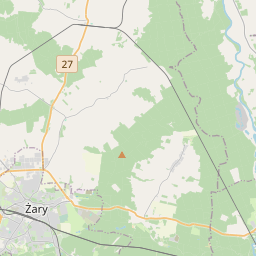
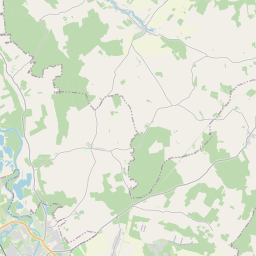
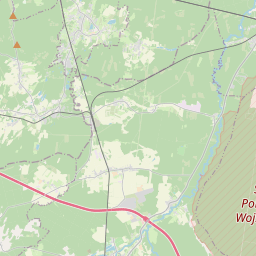
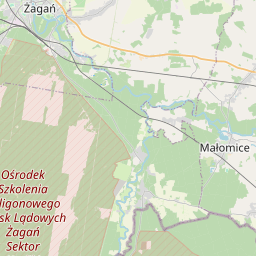
Stalag Luft III (German: Stammlager Luft III; literally "Main Camp, Air, III"; SL III) was a Luftwaffe-run prisoner-of-war (POW) camp during the Second World War, which held captured Western Allied air force personnel. The camp was established in March 1942 near the town of Sagan, Lower Silesia, in what was then Nazi Germany (now Żagań, Poland), 160 km (100 mi) south-east of Berlin.
Nº Q700634 ★★★★
Súper rara · Lugares
Stalag Luft III
World War II Luftwaffe-run prisoner of war camp
Stalag Luft III (German: Stammlager Luft III; literally "Main Camp, Air, III"; SL III) was a Luftwaffe-run prisoner-of-war (POW) camp during the Second World War, which held captured Western Allied air force personnel. The camp was established in March 1942 near the town of Sagan, Lower Silesia, in what was then Nazi Germany (now Żagań, Poland), 160 km (100 mi) south-east of Berlin.
En el mapa
Último precio
—
Precio mínimo
—
Mediana 7 d
—
Ventas 30 d
0
Rango 30 d
—
En circulación
0
Cotización
mediana
mín – máx
ventas
Sin ventas en el periodo
Ver tabla
| Fecha | mediana | Mín | Máx | ventas |
|---|
Historial de ventas
- Última venta
- —
- Media 30 d
- —
- Mínimo 30 d
- —
- Máximo 30 d
- —
- Ventas 7 d
- 0
- Ventas 30 d
- 0
Aún no hay ventas.
Ventas anónimas: sin comprador ni vendedor. Las cifras solo cuentan ventas entre jugadores.
En Wikipedia
Texto en inglés Aún no hay artículo en tu idioma: extracto en inglés.
Stalag Luft III (German: Stammlager Luft III; literally "Main Camp, Air, III"; SL III) was a Luftwaffe-run prisoner-of-war (POW) camp during the Second World War, which held captured Western Allied air force personnel. The camp was established in March 1942 near the town of Sagan, Lower Silesia, in what was then Nazi Germany (now Żagań, Poland), 160 km (100 mi) south-east of Berlin. The site was selected because its sandy soil made it difficult for POWs to escape by tunnelling. It is best known for two escape plots by Allied POWs. One was in 1943 and became the basis of a fictionalised film, The Wooden Horse (1950), based on a book by escapee Eric Williams. The second breakout—the so-called Great Escape—of March 1944, was conceived by Squadron Leader Roger Bushell of the Royal Air Force (RAF) and was authorised by the senior British officer at Stalag Luft III, Herbert Massey. A fictionalised version of the escape was depicted in the film The Great Escape (1963), which was based on a book by former prisoner Paul Brickhill. The camp was liberated by Soviet forces in January 1945. The site of the former POW camp is now the 'Stalag Luft III Prisoner Camp Museum'.
Texto: Wikipedia en inglés, CC BY-SA 4.0. · Imagen: This image was improved or created by the Wikigraphists of t... (CC BY-SA 3.0) ·
Cartas cercanas
The Great Escape (book)
1950 Book. insider's account by Paul Brickhill of the 1944 mass escape from the German prisoner of war camp Stalag Luft III for British and Commonwealth airmen
Nº Q7737743 ★

Oflag IV-C
German prisoner-of-war camp for officers in World War II
Nº Q443620 ★★

Auschwitz Monowitz
Subcampo de concentración en Auschwitz
Nº Q700356 ★★★

Friedrich Wilhelm von Lindeiner-Wildau
German officer
Nº Q5503947 ★★

Campo de concentración de Majdanek
Campo de exterminio construido por la Alemania nazi
Nº Q160135 ★★★★

Campo de concentración de Stutthof
Campo de concentración nazi
Nº Q326193 ★★★★