
Sutter's Fort
Historic park in Sacramento, California
Sutter's Fort was a 19th-century agricultural and trade colony in the Mexican Alta California province. Established in 1839, the site of the fort was originally part of a utopian colonial project called New Helvetia (New Switzerland) by its builder John Sutter, though construction of the fort proper would not begin until 1841.
Nº Q2792626 ★★
Poco común · Lugares
Sutter's Fort
Historic park in Sacramento, California
Sutter's Fort was a 19th-century agricultural and trade colony in the Mexican Alta California province. Established in 1839, the site of the fort was originally part of a utopian colonial project called New Helvetia (New Switzerland) by its builder John Sutter, though construction of the fort proper would not begin until 1841.
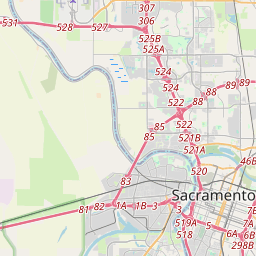
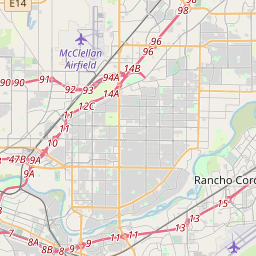
En el mapa
Último precio
—
Precio mínimo
—
Mediana 7 d
—
Ventas 30 d
0
Rango 30 d
—
En circulación
0
Cotización
mediana
mín – máx
ventas
Sin ventas en el periodo
Ver tabla
| Fecha | mediana | Mín | Máx | ventas |
|---|
Historial de ventas
- Última venta
- —
- Media 30 d
- —
- Mínimo 30 d
- —
- Máximo 30 d
- —
- Ventas 7 d
- 0
- Ventas 30 d
- 0
Aún no hay ventas.
Ventas anónimas: sin comprador ni vendedor. Las cifras solo cuentan ventas entre jugadores.
En Wikipedia
Texto en inglés Aún no hay artículo en tu idioma: extracto en inglés.
Sutter's Fort was a 19th-century agricultural and trade colony in the Mexican Alta California province. Established in 1839, the site of the fort was originally part of a utopian colonial project called New Helvetia (New Switzerland) by its builder John Sutter, though construction of the fort proper would not begin until 1841. The fort was the first non-Indigenous community in the California Central Valley, and saw grave mistreatment of Indigenous laborers in plantation or feudal style conditions. The fort is famous for its association with the Donner Party, the California gold rush, and the formation of the city of Sacramento, surrounding the fort. It is notable for its proximity to the end of the California and Siskiyou Trails, which it served as a waystation. In modern times, the adobe structure has been restored to its original condition and is now administered by the California Department of Parks and Recreation. It was designated a National Historic Landmark in 1961.
Texto: Wikipedia en inglés, CC BY-SA 4.0. · Imagen: Ian Howard (CC BY 2.5) ·


