

Común · Lugares
Ticinum
Antigua ciudad romana de la Galia Cisalpina, fundada en el siglo II a. C. a orillas del río Tesino. La actual ciudad de Pavía se levanta sobre sus restos
Ticinum (the modern Pavia) was an ancient city of Gallia Transpadana, founded on the banks of the river of the same name (now the Ticino) a little way above its confluence with the Padus (Po). It was said by Pliny the Elder to have been founded by the Laevi and Marici, two Ligurian tribes, while Ptolemy attributes it to the Insubres.
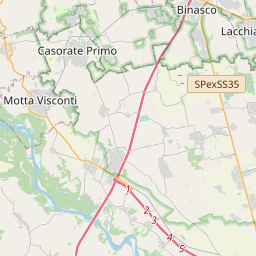
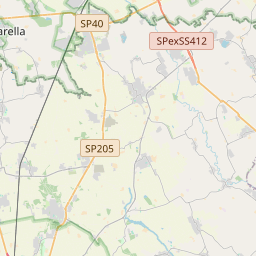
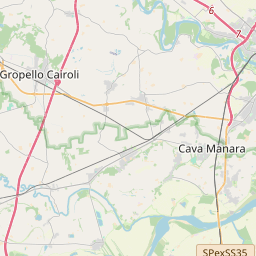
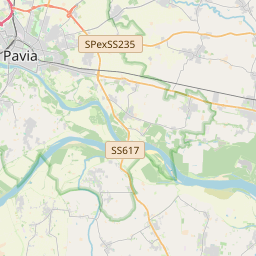
En el mapa
En Wikipedia
Texto en inglés Aún no hay artículo en tu idioma: extracto en inglés.
Ticinum (the modern Pavia) was an ancient city of Gallia Transpadana, founded on the banks of the river of the same name (now the Ticino) a little way above its confluence with the Padus (Po). It was said by Pliny the Elder to have been founded by the Laevi and Marici, two Ligurian tribes, while Ptolemy attributes it to the Insubres. Its importance in Roman times was due to the extension of the Via Aemilia from Ariminum (Rimini) to the Padus (or Po) (187 BC), which it crossed at Placentia (Piacenza) and there forked, one branch going to Mediolanum (Milan) and the other to Ticinum, and thence to Laumellum where it divided once more, one branch going to Vercellae, and thence to Eporedia and Augusta Praetoria; and the other to Valentia, and thence to Augusta Taurinorum (Turin) or to Pollentia. The branch to Eporedia must have been constructed before 100 BC. Ticinum is frequently mentioned by classical writers. It was a municipium, but we learn little of it except that in the 4th century there was a manufacturer of bows and a mint there. The first Christian bishops of the city are identified as Juventius and Syrus. In 271 the Emperor Aurelian defeated a retreating army of Juthungi at the Battle of Ticinum. Ticinum was the site of a mint, transferred from Mediolanum by Aurelian in 275, which remained active until closed by Constantine the Great in 326. The city was pillaged by Attila in 452 and by Odoacer in 476, but rose to importance as a military centre in the Gothic period. At Dertona and here the grain stores of Liguria were placed, and Theodoric the Great constructed a palace, baths and amphitheatre and new town walls; while an inscription of Athalaric relating to repairs of seats in the...
Texto: Wikipedia en inglés, CC BY-SA 4.0. · Imagen: No machine-readable author provided. Massimo Macconi assumed... (Public domain) ·
Cartas cercanas
-
 ★
★
Laevi
Ancient Ligurian people
-
 ★★★
★★★
Mediolano
Ciudad ínsubre, más tarde romana, actual Milán
-
 ★
★
Via Mediolanum-Ticinum
Roman road connecting Mediolanum (Milan) and Ticinum (Pavia), in present-day Lombardy, Italy
-
 ★★
★★
Aequum Tuticum
Roman vicus in Italy
-
 ★★★
★★★
Latium vetus
Región histórica de la Italia antigua correspondiente al territorio original de los latinos
-
 ★★★
★★★
Ínsubres