
Abanotubani
Neighborhood
Abanotubani (Georgian: აბანოთუბანი, literally "bath district") is the ancient district of Tbilisi, Georgia, known for its sulphuric baths. Located at the eastern bank of the Mtkvari River at the foot of Narikala fort across Metekhisubani, Abanotubani is an important historic part of the city: it is where according to a legend the King of Iberia, Vakhtang Gorgasali’s falcon fell, leading to a discovery of the hot springs and, subsequently, to founding of a new capital.
Nº Q36985 ★★
Peu commune · Lieux
Abanotubani
Neighborhood
Abanotubani (Georgian: აბანოთუბანი, literally "bath district") is the ancient district of Tbilisi, Georgia, known for its sulphuric baths. Located at the eastern bank of the Mtkvari River at the foot of Narikala fort across Metekhisubani, Abanotubani is an important historic part of the city: it is where according to a legend the King of Iberia, Vakhtang Gorgasali’s falcon fell, leading to a discovery of the hot springs and, subsequently, to founding of a new capital.
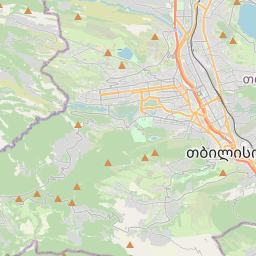
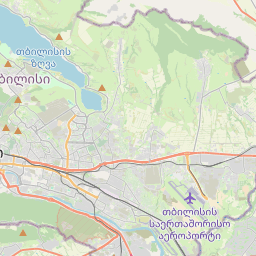
Sur la carte
Dernier prix
—
Prix plancher
—
Médiane 7 j
—
Ventes 30 j
0
Fourchette 30 j
—
En circulation
0
Cours
médiane
min – max
ventes
Aucune vente sur la période
Voir le tableau
| Date | médiane | Min | Max | ventes |
|---|
Historique des ventes
- Dernière vente
- —
- Moyenne 30 j
- —
- Plus bas 30 j
- —
- Plus haut 30 j
- —
- Ventes 7 j
- 0
- Ventes 30 j
- 0
Aucune vente pour l'instant.
Ventes anonymes : ni acheteur ni vendeur. Les chiffres ne comptent que les ventes entre joueurs.
Sur Wikipédia
Texte en anglais Pas encore d'article dans ta langue : extrait en anglais.
Abanotubani (Georgian: აბანოთუბანი, literally "bath district") is the ancient district of Tbilisi, Georgia, known for its sulphuric baths. Located at the eastern bank of the Mtkvari River at the foot of Narikala fort across Metekhisubani, Abanotubani is an important historic part of the city: it is where according to a legend the King of Iberia, Vakhtang Gorgasali’s falcon fell, leading to a discovery of the hot springs and, subsequently, to founding of a new capital. By the end of the 13th century, 65 baths were recorded in Tbilisi. During this time, the baths were free to Muslim residents.
Texte : Wikipédia en anglais, CC BY-SA 4.0. · Image : Henri MOREAU (CC BY-SA 4.0) ·


