
Arkils tingstad
Archaeological site in Uppsala County, Sweden
Arkils tingstad ("Assembly location of Arkil") is the remains of the Viking Age thing or assembly location of a hundred in Uppland, Sweden. It is situated on the outskirts of Stockholm. The remains consist of a rectangular stone formation and two runestones.
Nº Q1469286 ★★
Peu commune · Lieux
Arkils tingstad
Archaeological site in Uppsala County, Sweden
Arkils tingstad ("Assembly location of Arkil") is the remains of the Viking Age thing or assembly location of a hundred in Uppland, Sweden. It is situated on the outskirts of Stockholm. The remains consist of a rectangular stone formation and two runestones.
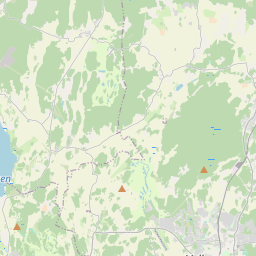
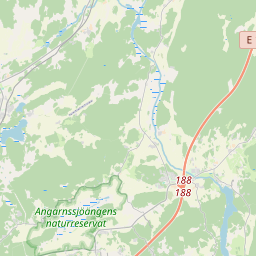
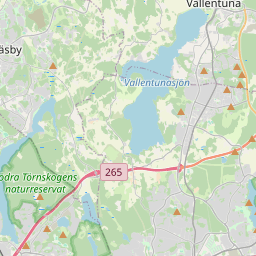
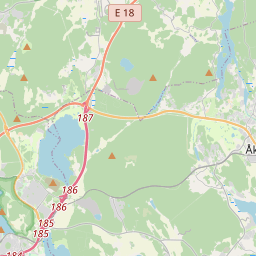
Sur la carte
Dernier prix
—
Prix plancher
—
Médiane 7 j
—
Ventes 30 j
0
Fourchette 30 j
—
En circulation
0
Cours
médiane
min – max
ventes
Aucune vente sur la période
Voir le tableau
| Date | médiane | Min | Max | ventes |
|---|
Historique des ventes
- Dernière vente
- —
- Moyenne 30 j
- —
- Plus bas 30 j
- —
- Plus haut 30 j
- —
- Ventes 7 j
- 0
- Ventes 30 j
- 0
Aucune vente pour l'instant.
Ventes anonymes : ni acheteur ni vendeur. Les chiffres ne comptent que les ventes entre joueurs.
Sur Wikipédia
Texte en anglais Pas encore d'article dans ta langue : extrait en anglais.
Arkils tingstad ("Assembly location of Arkil") is the remains of the Viking Age thing or assembly location of a hundred in Uppland, Sweden. It is situated on the outskirts of Stockholm. The remains consist of a rectangular stone formation and two runestones. The runestones and the assembly location were created by the Skålhamra clan who also had the two Risbyle Runestones made across the lake near their estate. It consequently appears that they owned land on both sides of the lake. They also made the runestone U 100 at a path in the forest. Scholars disagree on the function of a Viking Age assembly location. According to one view, all the people in the vicinity assembled there in order to reach agreements and to mete out justice. Another view sees the assemblies as meetings for the chieftains only who merely stated what they had decided to do and where they interrogated and punished their subordinates. Before the Christianization of Scandinavia, the pagan blóts were performed by chieftains and magnates. When Christianity arrived, the Christian rites and especially baptism were central to the community. It is possible that the Skålhamra clan created the assembly location in order to have settlements around the lake baptized by priests from Sigtuna. The inscriptions suggest that the location had no continuity from Norse paganism. Based on the styles of the inscriptions, the assembly location was created in the 1010s, and the runestones are some decades older than the Jarlabanke runestone U 212 which tells of the creation of another assembly location.
Texte : Wikipédia en anglais, CC BY-SA 4.0. · Image : Berig (CC BY 2.5) ·


