
Biar Aqueduct
Archaeological site in Israel
The Biar Aqueduct, or Wadi el-Biyar Aqueduct, is an ancient aqueduct in the northern Hebron Hills (Gush Etzion area), south of Jerusalem, that formed part of the city's historic water-supply system. Traditional attribution places its construction under Herod the Great (37–4 BC), but radiocarbon dating of its plasters indicates a mid-first-century CE build with second-century renovations associated with Aelia Capitolina, although it is possible that the entire system dates exclusively to the second century.
Nº Q16132605 ★★★
Rare · Lieux
Biar Aqueduct
Archaeological site in Israel
The Biar Aqueduct, or Wadi el-Biyar Aqueduct, is an ancient aqueduct in the northern Hebron Hills (Gush Etzion area), south of Jerusalem, that formed part of the city's historic water-supply system. Traditional attribution places its construction under Herod the Great (37–4 BC), but radiocarbon dating of its plasters indicates a mid-first-century CE build with second-century renovations associated with Aelia Capitolina, although it is possible that the entire system dates exclusively to the second century.
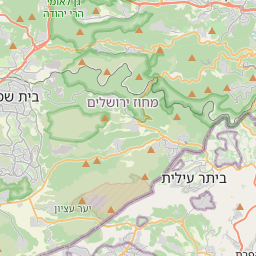
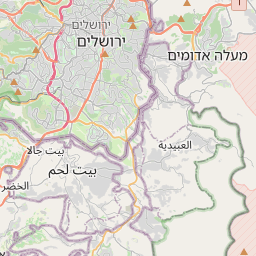
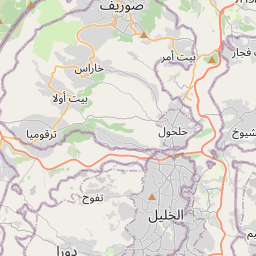
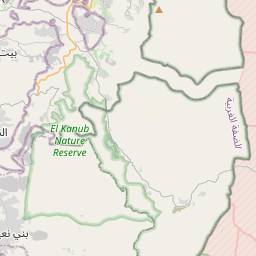
Sur la carte
Dernier prix
—
Prix plancher
—
Médiane 7 j
—
Ventes 30 j
0
Fourchette 30 j
—
En circulation
0
Cours
médiane
min – max
ventes
Aucune vente sur la période
Voir le tableau
| Date | médiane | Min | Max | ventes |
|---|
Historique des ventes
- Dernière vente
- —
- Moyenne 30 j
- —
- Plus bas 30 j
- —
- Plus haut 30 j
- —
- Ventes 7 j
- 0
- Ventes 30 j
- 0
Aucune vente pour l'instant.
Ventes anonymes : ni acheteur ni vendeur. Les chiffres ne comptent que les ventes entre joueurs.
Sur Wikipédia
Texte en anglais Pas encore d'article dans ta langue : extrait en anglais.
The Biar Aqueduct, or Wadi el-Biyar Aqueduct, is an ancient aqueduct in the northern Hebron Hills (Gush Etzion area), south of Jerusalem, that formed part of the city's historic water-supply system. Traditional attribution places its construction under Herod the Great (37–4 BC), but radiocarbon dating of its plasters indicates a mid-first-century CE build with second-century renovations associated with Aelia Capitolina, although it is possible that the entire system dates exclusively to the second century. The two-stage option might place its construction under the governorship of Pontius Pilate (AD 26–36). Sections were refurbished under the British Mandate in 1924 and remained in service until 1967.
Texte : Wikipédia en anglais, CC BY-SA 4.0. · Image : Utilisateur:Djampa - User:Djampa (CC BY-SA 4.0) ·
Cartes voisines

Acre aqueduct
Defunct aqueduct in Israel
Nº Q7065443 ★★★

Aqueduc du Gier
Ancien aqueduc qui alimentait en eau Lugdunum
Nº Q3067 ★★★

aqueduc romain
Type d'aqueduc bâti par la Rome antique
Nº Q13218676 ★★★

Canal of Zubaidah
Covered aqueduct outside of Mecca, Saudi Arabia
Nº Q12229104 ★
Eilath
Ville biblique à l'extrémité nord-est de la mer Rouge
Nº Q133756393 ★★★★

The Pool of Arches
Underground pool in Ramla, Israel
Nº Q6898636 ★★★★