
Big Thicket
Forêt aux États-Unis
The Big Thicket is the name given to a somewhat imprecise region of a heavily forested area of Southeast Texas in the United States. This area represents a portion of the mixed pine-hardwood forests or "Piney Woods" of the Southeast US.
Nº Q34696004 ★
Commune · Lieux
Big Thicket
Forêt aux États-Unis
The Big Thicket is the name given to a somewhat imprecise region of a heavily forested area of Southeast Texas in the United States. This area represents a portion of the mixed pine-hardwood forests or "Piney Woods" of the Southeast US.
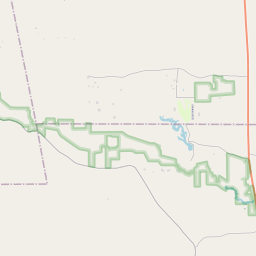
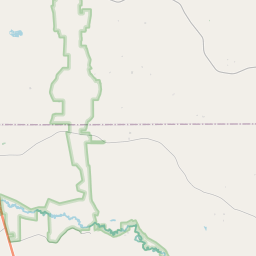
Sur la carte
Dernier prix
—
Prix plancher
—
Médiane 7 j
—
Ventes 30 j
0
Fourchette 30 j
—
En circulation
0
Cours
médiane
min – max
ventes
Aucune vente sur la période
Voir le tableau
| Date | médiane | Min | Max | ventes |
|---|
Historique des ventes
- Dernière vente
- —
- Moyenne 30 j
- —
- Plus bas 30 j
- —
- Plus haut 30 j
- —
- Ventes 7 j
- 0
- Ventes 30 j
- 0
Aucune vente pour l'instant.
Ventes anonymes : ni acheteur ni vendeur. Les chiffres ne comptent que les ventes entre joueurs.
Sur Wikipédia
Texte en anglais Pas encore d'article dans ta langue : extrait en anglais.
The Big Thicket is the name given to a somewhat imprecise region of a heavily forested area of Southeast Texas in the United States. This area represents a portion of the mixed pine-hardwood forests or "Piney Woods" of the Southeast US. The National Park Service established the Big Thicket National Preserve (BTNP) within the region in 1974 and it is recognized as a biosphere reserve by UNESCO. Although the diversity of animals in the area is high for a temperate zone with over 500 vertebrates, it is the complex mosaic of ecosystems and plant diversity that is particularly remarkable. Biologists have identified at least eight, and up to eleven, ecosystems in the Big Thicket area. More than 160 species of trees and shrubs, 800 herbs and vines, and 340 types of grasses are known to occur in the Big Thicket, and estimates as high as over 1000 flowering plant species and 200 trees and shrubs have been made, plus ferns, carnivorous plants, and more. The Big Thicket has historically been the most dense forest region in Texas. Existing literature states that Native Americans were known to have lived and hunted in the area nomadically, but did not establish permanent settlements there before the Alabama–Coushatta settled in the northeast about 1780. However, there is insufficient archaeological evidence to support this claim. What records that do exist could suggest human occupation dating back to the Clovis culture 13,400–12,700 years ago, with numerous era diagnostic points being found in all but one of the counties commonly considered to be in the Big Thicket. Spanish explorers and missionaries had a sporadic presence in the region, however colonization and settlement was not their aim, preferring to establish forts outside of the Region where the French were encroaching from the east (namely around Natchitoches, Nacogdoches, and...
Texte : Wikipédia en anglais, CC BY-SA 4.0. · Image : NPS (Public domain) ·
Cartes voisines

Piney Woods
Ecoregion (WWF)
Nº Q3905191 ★★

Réserve nationale de Big Cypress
Nº Q478682 ★

Parc national de Big Bend
Parc national des États-Unis situé au Texas
Nº Q1427197 ★★★

Big Woods
Type of temperate hardwood forest ecoregion found in western Wisconsin and south-central Minnesota, US
Nº Q4906693 ★

Big Bend
Geographic region in the western part of the state of Texas in the United States
Nº Q3494060 ★

Pinus strobus
Espèce de conifères de la famille des Pinacées
Nº Q157230 ★★★