
Cizhou ware
Archaeological site
Cizhou ware or Tz'u-chou ware (Chinese: 磁州窯; pinyin: Cízhōu yáo; Wade–Giles: Tz'u-chou yao) is a wide range of Chinese ceramics from between the late Tang dynasty and the early Ming dynasty, but especially associated with the Northern Song to Yuan period in the 11–14th century. It has been increasingly realized that a very large number of sites in northern China produced these wares, and their decoration is very variable, but most characteristically uses black and white, in a variety of techniques.
Nº Q932671 ★★
Peu commune · Lieux
Cizhou ware
Archaeological site
Cizhou ware or Tz'u-chou ware (Chinese: 磁州窯; pinyin: Cízhōu yáo; Wade–Giles: Tz'u-chou yao) is a wide range of Chinese ceramics from between the late Tang dynasty and the early Ming dynasty, but especially associated with the Northern Song to Yuan period in the 11–14th century. It has been increasingly realized that a very large number of sites in northern China produced these wares, and their decoration is very variable, but most characteristically uses black and white, in a variety of techniques.
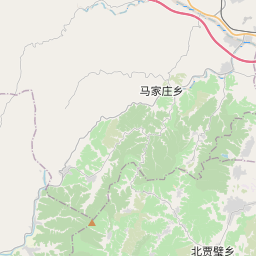
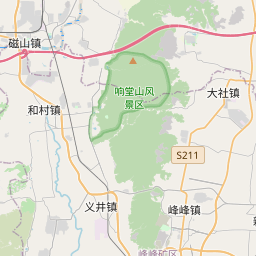
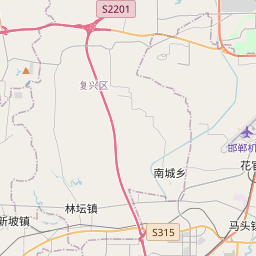
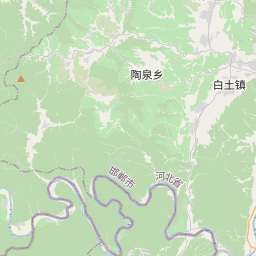
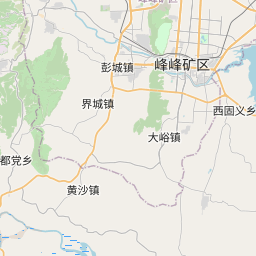
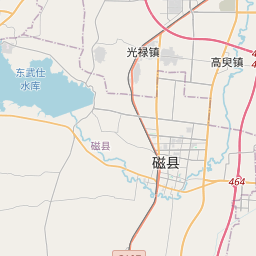
Sur la carte
Dernier prix
—
Prix plancher
—
Médiane 7 j
—
Ventes 30 j
0
Fourchette 30 j
—
En circulation
0
Cours
médiane
min – max
ventes
Aucune vente sur la période
Voir le tableau
| Date | médiane | Min | Max | ventes |
|---|
Historique des ventes
- Dernière vente
- —
- Moyenne 30 j
- —
- Plus bas 30 j
- —
- Plus haut 30 j
- —
- Ventes 7 j
- 0
- Ventes 30 j
- 0
Aucune vente pour l'instant.
Ventes anonymes : ni acheteur ni vendeur. Les chiffres ne comptent que les ventes entre joueurs.
Sur Wikipédia
Texte en anglais Pas encore d'article dans ta langue : extrait en anglais.
Cizhou ware or Tz'u-chou ware (Chinese: 磁州窯; pinyin: Cízhōu yáo; Wade–Giles: Tz'u-chou yao) is a wide range of Chinese ceramics from between the late Tang dynasty and the early Ming dynasty, but especially associated with the Northern Song to Yuan period in the 11–14th century. It has been increasingly realized that a very large number of sites in northern China produced these wares, and their decoration is very variable, but most characteristically uses black and white, in a variety of techniques. For this reason Cizhou-type is often preferred as a general term. All are stoneware in Western terms, and "high-fired" or porcelain in Chinese terms. They were less high-status than other types such as celadons and Jun ware, and are regarded as "popular", though many are finely and carefully decorated. Alone among major types of Song ceramics their effect largely depends on decoration in contrasting colours, usually in black on white, but sometimes polychrome. At this time, unlike later periods, ceramics for the court were "relentlessly monochrome", and Cizhou wares are not mentioned in the large quantities of "tribute wares" given from the provinces to the emperor, of which much was redistributed, or perhaps sold; "Confucian esthetics emphasized simplicity." It was named for Cizhou, a prefecture now called Ci County in Handan in southern Hebei, one of the main centres of production. Most Cizhou ware uses a transparent glaze applied on a white slipped-body, with further decoration chosen from a wide variety of techniques.
Texte : Wikipédia en anglais, CC BY-SA 4.0. · Image : Daderot (CC0) ·
Cartes voisines

Jun ware
A type of Chinese pottery from one of the Five Great Kilns of Song dynasty
Nº Q1497437 ★

Porcelaine kraak
Nº Q1965056 ★

Sancai
Type de céramique en « trois couleurs » de la Dynastie Tang, en Chine
Nº Q1372026 ★
Gu Jingzhou
Artiste chinois
Nº Q1552544 ★★

Blanc de Chine (porcelaine)
Style de la céramique
Nº Q926519 ★

Culture de Qijia
Nº Q1269223 ★