
grotte Ayalon
Grotte située en Israël
The Ayalon Cave, in academic papers spelled Ayyalon Cave (Hebrew: מערת איילון), is a large limestone cave near Ramla, Israel, with a worldwide unique ecosystem. As photosynthesis is not possible inside the completely dark cave, the food chain that developed inside is solely based on bacteria capable of chemosynthesis: the bacteria are consuming the inorganic matter available in the groundwater, and then themselves become the organic food source for the rest of the food chain.
Nº Q412008 ★
Commune · Lieux
grotte Ayalon
Grotte située en Israël
The Ayalon Cave, in academic papers spelled Ayyalon Cave (Hebrew: מערת איילון), is a large limestone cave near Ramla, Israel, with a worldwide unique ecosystem. As photosynthesis is not possible inside the completely dark cave, the food chain that developed inside is solely based on bacteria capable of chemosynthesis: the bacteria are consuming the inorganic matter available in the groundwater, and then themselves become the organic food source for the rest of the food chain.
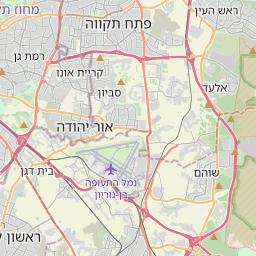
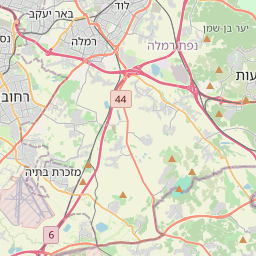
Sur la carte
Dernier prix
—
Prix plancher
—
Médiane 7 j
—
Ventes 30 j
0
Fourchette 30 j
—
En circulation
0
Cours
médiane
min – max
ventes
Aucune vente sur la période
Voir le tableau
| Date | médiane | Min | Max | ventes |
|---|
Historique des ventes
- Dernière vente
- —
- Moyenne 30 j
- —
- Plus bas 30 j
- —
- Plus haut 30 j
- —
- Ventes 7 j
- 0
- Ventes 30 j
- 0
Aucune vente pour l'instant.
Ventes anonymes : ni acheteur ni vendeur. Les chiffres ne comptent que les ventes entre joueurs.
Sur Wikipédia
Texte en anglais Pas encore d'article dans ta langue : extrait en anglais.
The Ayalon Cave, in academic papers spelled Ayyalon Cave (Hebrew: מערת איילון), is a large limestone cave near Ramla, Israel, with a worldwide unique ecosystem. As photosynthesis is not possible inside the completely dark cave, the food chain that developed inside is solely based on bacteria capable of chemosynthesis: the bacteria are consuming the inorganic matter available in the groundwater, and then themselves become the organic food source for the rest of the food chain. As of 2021, Ayalon Cave was one of less than 10 such subterranean ecosystems known in the world, with each of them being distinctly different from the rest. Eight new invertebrate species were discovered there in April 2006 - four seawater and freshwater crustaceans along with four terrestrial animals, one of them a species of blind scorpion – with many more expected to be discovered.
Texte : Wikipédia en anglais, CC BY-SA 4.0. · Image : חובב אפלולית (CC BY-SA 3.0) ·


