
Ikseon-dong
Neighborhood of Seoul, South Korea
Ikseon-dong (Korean: 익선동) is a legal-status dong located in the center of Jongno 1·2·3·4-ga-dong, Jongno-gu, Seoul. It borders Unni-dong to the north, Donui-dong to the south, Nagwon-dong to the west, and Yaryong-dong and Myo-dong to the east.
Nº Q16188499 ★★★★
Super rare · Lieux
Ikseon-dong
Neighborhood of Seoul, South Korea
Ikseon-dong (Korean: 익선동) is a legal-status dong located in the center of Jongno 1·2·3·4-ga-dong, Jongno-gu, Seoul. It borders Unni-dong to the north, Donui-dong to the south, Nagwon-dong to the west, and Yaryong-dong and Myo-dong to the east.
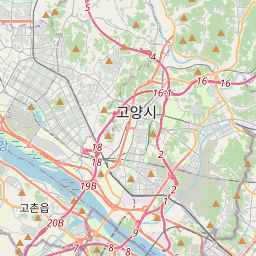
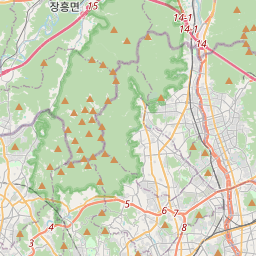
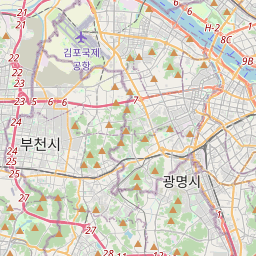
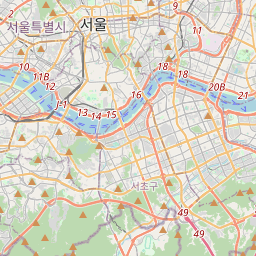
Sur la carte
Dernier prix
—
Prix plancher
—
Médiane 7 j
—
Ventes 30 j
0
Fourchette 30 j
—
En circulation
0
Cours
médiane
min – max
ventes
Aucune vente sur la période
Voir le tableau
| Date | médiane | Min | Max | ventes |
|---|
Historique des ventes
- Dernière vente
- —
- Moyenne 30 j
- —
- Plus bas 30 j
- —
- Plus haut 30 j
- —
- Ventes 7 j
- 0
- Ventes 30 j
- 0
Aucune vente pour l'instant.
Ventes anonymes : ni acheteur ni vendeur. Les chiffres ne comptent que les ventes entre joueurs.
Sur Wikipédia
Texte en anglais Pas encore d'article dans ta langue : extrait en anglais.
Ikseon-dong (Korean: 익선동) is a legal-status dong located in the center of Jongno 1·2·3·4-ga-dong, Jongno-gu, Seoul. It borders Unni-dong to the north, Donui-dong to the south, Nagwon-dong to the west, and Yaryong-dong and Myo-dong to the east. Transportation is convenient thanks to the nearby Samil-daero and Donhwamun-ro, and Jongno 3-ga station on the subway. Within the dong are the Jongno 1·2·3·4-ga-dong Community Center and the 'Uri Sori Library', among other facilities. As of 2020, the population is around 1,000. Ikseon-dong is famous for its hanok (traditional Korean house) village built from the 1920s onwards, and remains one of the oldest concentrated hanok districts in Seoul. During the Japanese colonial period, many artists lived here, including female pansori singers. After liberation, people from various social strata coexisted. Ikseon-dong, which once thrived on gisaeng restaurant (yojeong) tourism before declining, became a home for sexual minorities in the latter half of the 20th century, and has been a tourist attraction since the mid-2010s. Since the late 2010s, the neighborhood has been undergoing gentrification, causing rapid changes and criticism that its unique identity is being lost.
Texte : Wikipédia en anglais, CC BY-SA 4.0. · Image : 오모군 (CC BY 3.0) ·
Cartes voisines

Magok (métro de Séoul)
Station du métro de Séoul
Nº Q490915 ★★★★

여주종합버스터미널
Nº Q16100973 ★★★★

Site de Yoshinogari
Complexe de sites archéologiques
Nº Q1049645 ★★★★

Arrondissement de Hambourg-Mitte
Arrondissement de la ville de Hambourg
Nº Q1626 ★★★★

Sangdang District
Administrative division of Cheongju, South Korea
Nº Q50401 ★★★★

Novhorod-Siverskyï
Ville de l'oblast de Tchernihiv, Ukraine
Nº Q147758 ★★★★