
Plateau des Lessini
Alpine supergroup in the Venetian Prealps
Lessinia, also known as the Lessini Mountains, is a mountainous plateau in the Venetian Prealps of northern Italy, located mainly in the Province of Verona and partly in the Province of Vicenza and the Autonomous Province of Trento. Part of the area is protected within the Lessinia Regional Nature Park.
Nº Q3830938 ★★★★
Super rare · Lieux
Plateau des Lessini
Alpine supergroup in the Venetian Prealps
Lessinia, also known as the Lessini Mountains, is a mountainous plateau in the Venetian Prealps of northern Italy, located mainly in the Province of Verona and partly in the Province of Vicenza and the Autonomous Province of Trento. Part of the area is protected within the Lessinia Regional Nature Park.
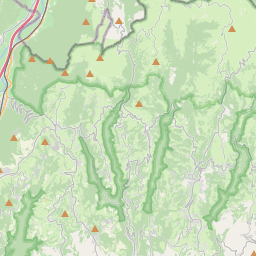
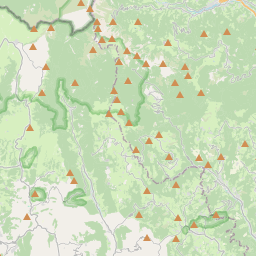
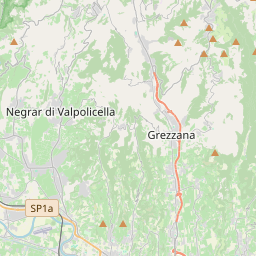
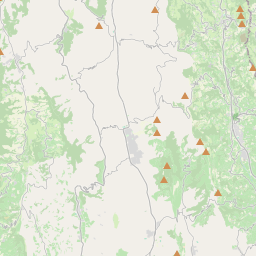
Sur la carte
Dernier prix
—
Prix plancher
—
Médiane 7 j
—
Ventes 30 j
0
Fourchette 30 j
—
En circulation
0
Cours
médiane
min – max
ventes
Aucune vente sur la période
Voir le tableau
| Date | médiane | Min | Max | ventes |
|---|
Historique des ventes
- Dernière vente
- —
- Moyenne 30 j
- —
- Plus bas 30 j
- —
- Plus haut 30 j
- —
- Ventes 7 j
- 0
- Ventes 30 j
- 0
Aucune vente pour l'instant.
Ventes anonymes : ni acheteur ni vendeur. Les chiffres ne comptent que les ventes entre joueurs.
Sur Wikipédia
Texte en anglais Pas encore d'article dans ta langue : extrait en anglais.
Lessinia, also known as the Lessini Mountains, is a mountainous plateau in the Venetian Prealps of northern Italy, located mainly in the Province of Verona and partly in the Province of Vicenza and the Autonomous Province of Trento. Part of the area is protected within the Lessinia Regional Nature Park. It is bordered to the north by the Ronchi Valley and the Carega Group, to the east by the Leogra Valley, to the south by the course of the Adige River and the upper Veronese plain, and to the west by the Lagarina Valley. Its main elevations generally range between 1,500 and 1,800 m above sea level. The area is characterised by open high pastures, malghe, wooded valleys, karst landforms, fossil deposits, caves, Cimbrian cultural heritage and vernacular architecture based on local stone slabs. Its landscape was shaped by the long interaction between geology, pastoralism, forestry, stone quarrying, seasonal alpine grazing and rural settlement. Evidence of human presence in Lessinia dates back to prehistoric times. The availability of flint, caves and rock shelters favoured early settlement, while the spread of castellieri, small fortified hilltop settlements, is attested from the beginning of the 2nd millennium BC. Before the arrival of the Romans, between the 3rd and 2nd centuries BC, the area was inhabited by various peoples of Rhaetian origin, including the Arusnates. In Roman times the lower plateau was largely wooded, while the higher esplanades were used for summer grazing. After the fall of the Western Roman Empire, the territory experienced a marked demographic decline, which began to reverse only in the early 11th century. From the Carolingian age until the rise of the communal age, much of Lessinia was under the control of the Veronese Church. This dominion entered into crisis with the growing power of the wool merchants, among...
Texte : Wikipédia en anglais, CC BY-SA 4.0. · Image : Fabio becchelli (CC BY 2.5 it) ·


