
Qutb Minar complex
Monuments and buildings from the Delhi Sultanate at Mehrauli, Delhi, India
The Qutb Minar complex are monuments and buildings from the Delhi Sultanate at Mehrauli in Delhi, India. Construction of the Qutub Minar "victory tower" in the complex, named after the religious figure Sufi Saint Khwaja Qutbuddin Bakhtiar Kaki, was begun by Qutb-ud-din Aibak, who later became the first Sultan of Delhi of the Mamluk dynasty (Gulam Vansh).
Nº Q1074330 ★
Commune · Lieux
Qutb Minar complex
Monuments and buildings from the Delhi Sultanate at Mehrauli, Delhi, India
The Qutb Minar complex are monuments and buildings from the Delhi Sultanate at Mehrauli in Delhi, India. Construction of the Qutub Minar "victory tower" in the complex, named after the religious figure Sufi Saint Khwaja Qutbuddin Bakhtiar Kaki, was begun by Qutb-ud-din Aibak, who later became the first Sultan of Delhi of the Mamluk dynasty (Gulam Vansh).
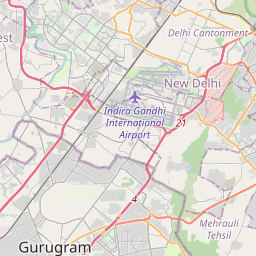
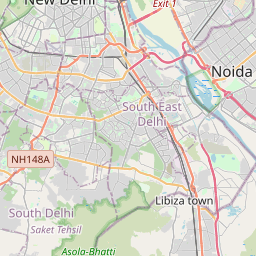
Sur la carte
Dernier prix
—
Prix plancher
—
Médiane 7 j
—
Ventes 30 j
0
Fourchette 30 j
—
En circulation
0
Cours
médiane
min – max
ventes
Aucune vente sur la période
Voir le tableau
| Date | médiane | Min | Max | ventes |
|---|
Historique des ventes
- Dernière vente
- —
- Moyenne 30 j
- —
- Plus bas 30 j
- —
- Plus haut 30 j
- —
- Ventes 7 j
- 0
- Ventes 30 j
- 0
Aucune vente pour l'instant.
Ventes anonymes : ni acheteur ni vendeur. Les chiffres ne comptent que les ventes entre joueurs.
Sur Wikipédia
Texte en anglais Pas encore d'article dans ta langue : extrait en anglais.
The Qutb Minar complex are monuments and buildings from the Delhi Sultanate at Mehrauli in Delhi, India. Construction of the Qutub Minar "victory tower" in the complex, named after the religious figure Sufi Saint Khwaja Qutbuddin Bakhtiar Kaki, was begun by Qutb-ud-din Aibak, who later became the first Sultan of Delhi of the Mamluk dynasty (Gulam Vansh). It was continued by his successor Iltutmish (a.k.a. Altamash), and finally completed much later by Firoz Shah Tughlaq, a Sultan of Delhi from the Tughlaq dynasty (1320–1412) in 1368 AD. The Qubbat-ul-Islam Mosque (Dome of Islam), later corrupted into Quwwat-ul Islam, stands next to the Qutb Minar. The Qutub Minar also bears numerous inscriptions in Arabic and Nagari characters at various locations, which reveal its history. Many subsequent rulers, including the Tughlaqs, Alauddin Khalji and the British added structures to the complex. Apart from the Qutb Minar and the Quwwat ul-Islam Mosque, other structures in the complex include the Alai Darwaza gate, the Alai Minar and the Iron pillar. Inside the complex lie the tombs of Iltutmish, Alauddin Khalji and Imam Zamin. Today, the adjoining area spread over with a host of old monuments, including Balban's tomb, has been developed by the Archaeological Survey of India (ASI) as the Mehrauli Archaeological Park, and INTACH has restored some 40 monuments in the Park. It is also the venue of the annual 'Qutub Festival', held in November–December, where artists, musicians and dancers perform over three days.
Texte : Wikipédia en anglais, CC BY-SA 4.0. · Image : Muhammad Mahdi Karim (GFDL 1.2) ·
Cartes voisines

Pilier de fer de Delhi
Nº Q543419 ★★★

Minar-e-Pakistan
Structure architecturale pakistanaise
Nº Q996962 ★★

Muhammad Quli Qutb Shah
6th ruler of the kingdom of Golconda in southern India
Nº Q2467539 ★★

Menara Kudus Mosque
Mosque in Java, Indonesia
Nº Q4022388 ★★★★

Chandni Chowk
Un des marchés les plus anciens et les plus fréquentés du vieux Delhi, Inde
Nº Q3236763 ★★

Charminar
Mosquée de Hyderabad, en Inde
Nº Q1771696 ★★★