
Trollkyrka
Secluded butte-like rock
Trollkyrka ("Troll's church") is a secluded butte-like rock in the heart of the National Park of Tiveden, Sweden, which served as a pagan sacrificial ground (horgr, see also blót) for centuries after Christianity became the dominant religion in Scandinavia. It may have been used as late as the 19th century, when popular tradition still held the mountain to be off-limits for Christians.
Nº Q369027 ★
Commune · Lieux
Trollkyrka
Secluded butte-like rock
Trollkyrka ("Troll's church") is a secluded butte-like rock in the heart of the National Park of Tiveden, Sweden, which served as a pagan sacrificial ground (horgr, see also blót) for centuries after Christianity became the dominant religion in Scandinavia. It may have been used as late as the 19th century, when popular tradition still held the mountain to be off-limits for Christians.
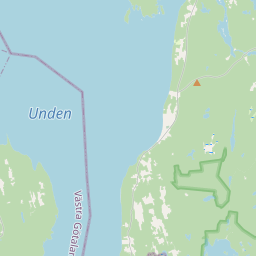
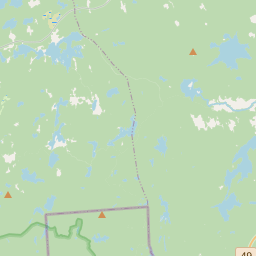
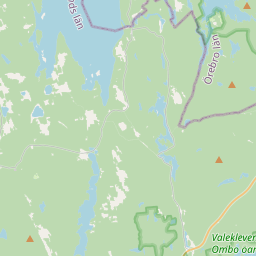
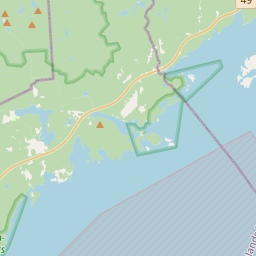
Sur la carte
Dernier prix
—
Prix plancher
—
Médiane 7 j
—
Ventes 30 j
0
Fourchette 30 j
—
En circulation
0
Cours
médiane
min – max
ventes
Aucune vente sur la période
Voir le tableau
| Date | médiane | Min | Max | ventes |
|---|
Historique des ventes
- Dernière vente
- —
- Moyenne 30 j
- —
- Plus bas 30 j
- —
- Plus haut 30 j
- —
- Ventes 7 j
- 0
- Ventes 30 j
- 0
Aucune vente pour l'instant.
Ventes anonymes : ni acheteur ni vendeur. Les chiffres ne comptent que les ventes entre joueurs.
Sur Wikipédia
Texte en anglais Pas encore d'article dans ta langue : extrait en anglais.
Trollkyrka ("Troll's church") is a secluded butte-like rock in the heart of the National Park of Tiveden, Sweden, which served as a pagan sacrificial ground (horgr, see also blót) for centuries after Christianity became the dominant religion in Scandinavia. It may have been used as late as the 19th century, when popular tradition still held the mountain to be off-limits for Christians. According to Lidman (1972:52) old people used to say: "No Christian can go there. The mountains of the troll church belong to the heathen trolls. If a Christian ventures there, he will come to grief." In fact, local tradition relates that the mountain was used not long ago for heathen rites and that anyone who was not initiated and saw it risked either to be buried in a bog in the forest or sworn into the brotherhood. These precautions clearly indicate that the rites took place as late as the period 1604–1735, which was a time when there was a penalty of death on practising such rituals. The rites are described in a folk poem documented by the folklorist Carshult (1941) when he documented the traditions on Skaga Stave Church. It has later been published in Karlsson (1970:62) and Lidman (1972:52).
Texte : Wikipédia en anglais, CC BY-SA 4.0. · Image : Wiglaf at English Wikipedia (CC BY-SA 3.0) ·
Cartes voisines

Trollskogen
Réserve naturelle en Kalmar, Suède
Nº Q2455200 ★

Tiveden
Forest in Sweden
Nº Q3752713 ★★★★

Rock Carvings of Boglösa
Nº Q1404398 ★★★

Storkyrkan
Cathédrale située à Stockholm, Suède
Nº Q1133075 ★★★

Trolltunga
Formation rocheuse en Norvège
Nº Q1512593 ★★★★

Skaga Stave Church
Church building in Karlsborg Municipality, Västra Götaland County, Sweden
Nº Q7533708 ★★★