
Atacama Giant
Geoglyph in Chile
The Atacama Giant (Spanish: Gigante de Atacama) is an anthropomorphic geoglyph on the Cerro Unita area of the Atacama Desert, Chile. At about 119 meters (390 feet), is the largest prehispanic anthropomorphic geoglyph. It has been suggested that it represents a shaman, spiritual figure or deity.
Nº Q1156421 ★★★
Rara · Lugares
Atacama Giant
Geoglyph in Chile
The Atacama Giant (Spanish: Gigante de Atacama) is an anthropomorphic geoglyph on the Cerro Unita area of the Atacama Desert, Chile. At about 119 meters (390 feet), is the largest prehispanic anthropomorphic geoglyph. It has been suggested that it represents a shaman, spiritual figure or deity.
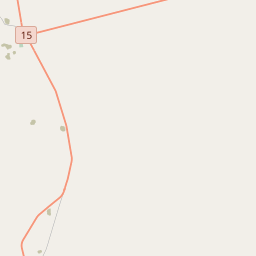
No mapa



Último preço
—
Preço mínimo
—
Mediana 7 d
—
Vendas 30 d
0
Faixa 30 d
—
Em circulação
0
Cotação
mediana
mín – máx
vendas
Sem vendas no período
Ver tabela
| Data | mediana | Mín | Máx | vendas |
|---|
Histórico de vendas
- Última venda
- —
- Média 30 d
- —
- Mínima 30 d
- —
- Máxima 30 d
- —
- Vendas 7 d
- 0
- Vendas 30 d
- 0
Ainda sem vendas.
Vendas anônimas: sem comprador nem vendedor. Os números contam só vendas entre jogadores.
Na Wikipédia
Texto em inglês Ainda não há artigo no seu idioma: trecho em inglês.
The Atacama Giant (Spanish: Gigante de Atacama) is an anthropomorphic geoglyph on the Cerro Unita area of the Atacama Desert, Chile. At about 119 meters (390 feet), is the largest prehispanic anthropomorphic geoglyph. It has been suggested that it represents a shaman, spiritual figure or deity. The Atacama Giant is one out of nearly 5,000 geoglyphs (ancient artwork that is drawn into the landscape) that have been discovered in the Atacama region in the last three decades. It is believed that they are the work of several successive cultures that dwelt in this region of South America, including the Tiwanaku and Inca. The Atacama Giant was built some time between 1000 and 1400 CE. One suggested explanation for the figure's features and function is that the alignment of the points on the top and side of the head with the moon helped to determine the season, which was useful since knowing when the rainy season would come was crucial in the barren desert.
Texto: Wikipédia em inglês, CC BY-SA 4.0. · Imagem: HereToHelp (talk · contribs) (Public domain) ·
Cartas próximas
Humanoide do Atacama
Nº Q12155967 ★★★

Gigantone
Tipo de boneca
Nº Q340069 ★★★★

Norte Grande do Chile
Nº Q3088829 ★★★

Acantilados de Los Gigantes
Mountain in Spain
Nº Q2822632 ★★

Cardiff Giant
Nineteenth century US hoax
Nº Q1035725 ★★

Atacames
Cidade da provincia de Esmeraldas, Equador
Nº Q753121 ★★★