
Bayt Nabala
Village in Ramle, Mandatory Palestine
Bayt Nabala or Beit Nabala was a Palestinian Arab village in the Ramle Subdistrict in Palestine that was destroyed during the 1948 Arab–Israeli War. The village was in the territory allotted to the Arab state under the 1947 UN Partition Plan, which was rejected by Arab leaders and never implemented.
Nº Q4874905 ★★★★
Super rara · Lugares
Bayt Nabala
Village in Ramle, Mandatory Palestine
Bayt Nabala or Beit Nabala was a Palestinian Arab village in the Ramle Subdistrict in Palestine that was destroyed during the 1948 Arab–Israeli War. The village was in the territory allotted to the Arab state under the 1947 UN Partition Plan, which was rejected by Arab leaders and never implemented.
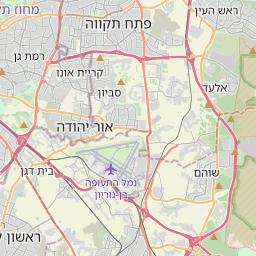
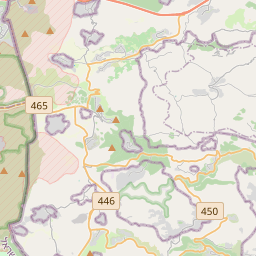
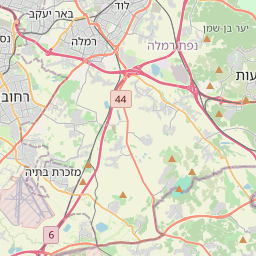
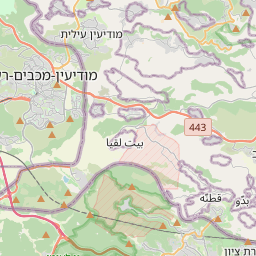
No mapa
Último preço
—
Preço mínimo
—
Mediana 7 d
—
Vendas 30 d
0
Faixa 30 d
—
Em circulação
0
Cotação
mediana
mín – máx
vendas
Sem vendas no período
Ver tabela
| Data | mediana | Mín | Máx | vendas |
|---|
Histórico de vendas
- Última venda
- —
- Média 30 d
- —
- Mínima 30 d
- —
- Máxima 30 d
- —
- Vendas 7 d
- 0
- Vendas 30 d
- 0
Ainda sem vendas.
Vendas anônimas: sem comprador nem vendedor. Os números contam só vendas entre jogadores.
Na Wikipédia
Texto em inglês Ainda não há artigo no seu idioma: trecho em inglês.
Bayt Nabala or Beit Nabala was a Palestinian Arab village in the Ramle Subdistrict in Palestine that was destroyed during the 1948 Arab–Israeli War. The village was in the territory allotted to the Arab state under the 1947 UN Partition Plan, which was rejected by Arab leaders and never implemented. Its population in 1945, before the war, was 2,310. It was occupied by Israeli forces on 13 May 1948 and was completely destroyed by them on 13 September 1948. Village refugees were scattered around Deir 'Ammar, Ramallah city, Bayt Tillow, Rantis, and Jalazone refugee camps north of Ramallah. Some of the clans that lived in Bayt Nabala include the AlHeet, Nakhleh, Safi, AL-Sharaqa, al-Khateeb, Saleh and Zaid families. Today the area is part of the Israeli town of Beit Nehemia.
Texto: Wikipédia em inglês, CC BY-SA 4.0. · Imagem: מיכאלי (Attribution) ·
Cartas próximas

Diáspora palestina
Nº Q3026393 ★★

Naksa
Nº Q3062020 ★

Beit El
Israeli settlement in the West Bank
Nº Q430939 ★

Sebastia (Palestina)
Nº Q2918480 ★★

Beit Hanina
Village council in Jerusalem Governorate
Nº Q2919614 ★

History of Israel (1948–present)
State of Israel since its independence
Nº Q118118392 ★★★★