
Bharhut
Village in Satna district, Madhya Pradesh, India
Bharhut is a village in the Satna district of Madhya Pradesh, central India. It is known for a Buddhist stupa, unique in that each panel is explicitly labelled in Brahmi characters saying what the panel depicts. The major donor for the Bharhut stupa was King Dhanabhuti.
Nº Q2310870 ★
Comum · Lugares
Bharhut
Village in Satna district, Madhya Pradesh, India
Bharhut is a village in the Satna district of Madhya Pradesh, central India. It is known for a Buddhist stupa, unique in that each panel is explicitly labelled in Brahmi characters saying what the panel depicts. The major donor for the Bharhut stupa was King Dhanabhuti.
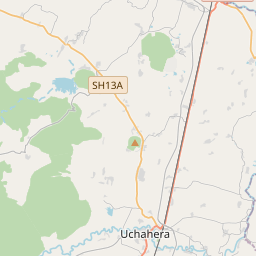
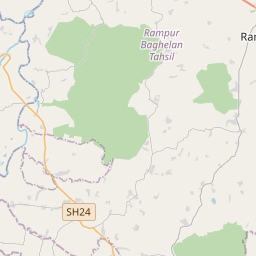
No mapa
Último preço
—
Preço mínimo
—
Mediana 7 d
—
Vendas 30 d
0
Faixa 30 d
—
Em circulação
0
Cotação
mediana
mín – máx
vendas
Sem vendas no período
Ver tabela
| Data | mediana | Mín | Máx | vendas |
|---|
Histórico de vendas
- Última venda
- —
- Média 30 d
- —
- Mínima 30 d
- —
- Máxima 30 d
- —
- Vendas 7 d
- 0
- Vendas 30 d
- 0
Ainda sem vendas.
Vendas anônimas: sem comprador nem vendedor. Os números contam só vendas entre jogadores.
Na Wikipédia
Texto em inglês Ainda não há artigo no seu idioma: trecho em inglês.
Bharhut is a village in the Satna district of Madhya Pradesh, central India. It is known for a Buddhist stupa, unique in that each panel is explicitly labelled in Brahmi characters saying what the panel depicts. The major donor for the Bharhut stupa was King Dhanabhuti. The Bharhut sculptures are some of the earliest examples of Indian and Buddhist art, later than the monumental art of Ashoka (c. 260 BCE), and slightly later than the early Shunga-period reliefs on railings at Sanchi Stupa No.2 (starting circa 115 BCE). It is more provincial in quality than the sculpture at Sanchi, Amaravati Stupa and some other sites, a large amount of sculpture has survived, generally in good condition. Recent authors date the reliefs of the railings of Bharhut circa 125–100 BCE, and clearly after Sanchi Stupa No.2, compared to which Bharhut has a much more developed iconography. The torana gateway was made slightly later than the railings, and is dated to 100–75 BCE. Historian Ajit Kumar gives a later date to Bharhut, the 1st century CE, based on stylistic comparisons with datable works of art from the Art of Mathura, particularly sculptures inscribed in the name of ruler Sodasa. Many of the Bharhut remains are now located in the Indian Museum in Kolkata, with others in museums in India and abroad. Little remains at the site today. Buddhism survived in Bharhut until the 12th century. A small Buddhist temple was enlarged around 1100 AD and a new statue of Buddha was installed. A large Sanskrit inscription from the same period that was found at the site appears to have been lost. This is different from the Lal Pahad inscription of AD 1158 mentioning the Kalachiri kings. Some recent reevaluations have tended to uncouple Bharhut from the Shunga period, and rather attribute the...
Texto: Wikipédia em inglês, CC BY-SA 4.0. · Imagem: Cunningham, Alexander, Sir, 1814-1893 (Public domain) ·
Cartas próximas

Amaravati Stupa
Ruins of Buddha stupa at Amaravati village, Palnadur district, Andhra Pradesh, India
Nº Q17351111 ★

Monumentos budistas de Sanchi
Nº Q181123 ★★★

Borobudur
Templo budista maaiana situado na ilha de Java, Indonésia
Nº Q42798 ★★★★

Shravasti
Archaeological site in Uttar Pradesh, India
Nº Q2594448 ★★

Mahabharata
Épico clássico da Índia
Nº Q8276 ★★★★

Dhamek Stupa
Stupa at Sarnath, Uttar Pradesh, India
Nº Q1985137 ★