

Comum · Lugares
Chanctonbury Ring
Hillfort in West Sussex, England
Chanctonbury Ring is a prehistoric hill fort atop Chanctonbury Hill on the South Downs, on the border of the civil parishes of Washington and Wiston in the English county of West Sussex. A ridgeway, now part of the South Downs Way, runs along the hill.
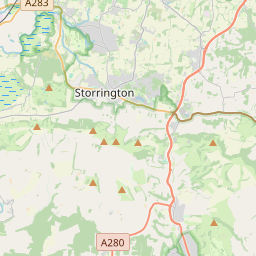
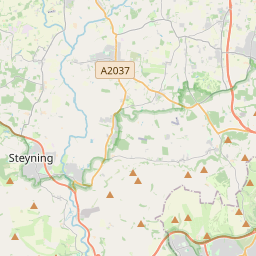
No mapa
Na Wikipédia
Texto em inglês Ainda não há artigo no seu idioma: trecho em inglês.
Chanctonbury Ring is a prehistoric hill fort atop Chanctonbury Hill on the South Downs, on the border of the civil parishes of Washington and Wiston in the English county of West Sussex. A ridgeway, now part of the South Downs Way, runs along the hill. It forms part of an ensemble of associated historical features created over a span of more than 2,000 years, including round barrows dating from the Bronze Age to the Saxon periods and dykes dating from the Iron Age and Roman periods. Consisting of a roughly circular low earthen rampart surrounded by a ditch, Chanctonbury Ring is thought to date to the late Bronze Age or early Iron Age. The purpose of the structure is unknown but it could have filled a variety of roles, including a defensive position, a cattle enclosure or even a religious shrine. After a few centuries of usage, it was abandoned for about five hundred years until it was reoccupied during the Roman period. Two Romano-British temples were built in the hill fort's interior, one of which may have been dedicated to a boar cult. After its final abandonment around the late fourth century AD, the hill fort remained unoccupied save for grazing cattle until a mid-18th-century landowner planted a ring of beech trees around its perimeter to beautify the site. They became a famous local landmark until largely being destroyed in the Great Storm of 1987. Periodic replanting on a number of occasions to replace old or destroyed trees has afforded archaeologists the opportunity to carry out a series of excavations which have revealed much about the history of the site.
Texto: Wikipédia em inglês, CC BY-SA 4.0. · Imagem: Prioryman (CC BY-SA 3.0) ·
Cartas próximas
-
 ★
★
Wittenham Clumps
Pair of hills in Oxfordshire, England, UK
-
 ★
★
Burgess Hill
Town in West Sussex, England, UK
-
 ★
★
Kintbury
Village and civil parish in Berkshire, England, UK
-
C★
Castle Hill, Huddersfield
Hill near Huddersfield, West Yorkshire, England, UK
-
 ★★★★
★★★★
Sussex
Condado histórico da Inglaterra
-
 ★
★
Rio Arun