
Dorking
Vila em Surrey, Inglaterra
Dorking () is a market town in Surrey in South East England about 21 mi (34 km) south-west of London. It is in Mole Valley District and the council headquarters are to the east of the centre. The High Street runs roughly east–west, parallel to the Pipp Brook and along the northern face of an outcrop of Lower Greensand.
Nº Q540333 ★★
Incomum · Lugares
Dorking
Vila em Surrey, Inglaterra
Dorking () is a market town in Surrey in South East England about 21 mi (34 km) south-west of London. It is in Mole Valley District and the council headquarters are to the east of the centre. The High Street runs roughly east–west, parallel to the Pipp Brook and along the northern face of an outcrop of Lower Greensand.
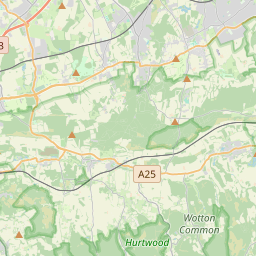
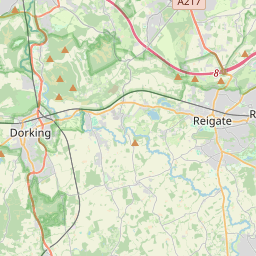
No mapa
Último preço
—
Preço mínimo
—
Mediana 7 d
—
Vendas 30 d
0
Faixa 30 d
—
Em circulação
0
Cotação
mediana
mín – máx
vendas
Sem vendas no período
Ver tabela
| Data | mediana | Mín | Máx | vendas |
|---|
Histórico de vendas
- Última venda
- —
- Média 30 d
- —
- Mínima 30 d
- —
- Máxima 30 d
- —
- Vendas 7 d
- 0
- Vendas 30 d
- 0
Ainda sem vendas.
Vendas anônimas: sem comprador nem vendedor. Os números contam só vendas entre jogadores.
Na Wikipédia
Texto em inglês Ainda não há artigo no seu idioma: trecho em inglês.
Dorking () is a market town in Surrey in South East England about 21 mi (34 km) south-west of London. It is in Mole Valley District and the council headquarters are to the east of the centre. The High Street runs roughly east–west, parallel to the Pipp Brook and along the northern face of an outcrop of Lower Greensand. The town is bordered on three sides by the Surrey Hills National Landscape and is close to Box Hill and Leith Hill. The earliest archaeological evidence of human activity is from the Mesolithic and Neolithic periods, and there are several Bronze Age bowl barrows in the local area. The town may have been the site of a staging post on Stane Street during Roman times, however the name 'Dorking' suggests an Anglo-Saxon origin for the modern settlement. A market is thought to have been held at least weekly since early medieval times and was highly regarded for the poultry traded there. The Dorking breed of domestic chicken is named after the town. The local economy thrived during Tudor times, but declined in the 17th century due to poor infrastructure and competition from neighbouring towns. During the early modern period many inhabitants were nonconformists, including the author, Daniel Defoe, who lived in Dorking as a child. Six of the Mayflower Pilgrims, including William Mullins and his daughter Priscilla, lived in the town before setting sail for the New World. Dorking started to expand during the 18th and 19th centuries as transport links improved and farmland to the south of the centre was released for housebuilding. The new turnpike, and later the railways, facilitated the sale of lime produced in the town, but also attracted wealthier residents, who had had no previous connection to the area. Residential expansion continued in the first half...
Texto: Wikipédia em inglês, CC BY-SA 4.0. · Imagem: Ian Capper (CC BY-SA 2.0) ·
Cartas próximas

Box Hill, Surrey
Hill in Surrey, United Kingdom
Nº Q895519 ★★

Surrey
Condado no sudeste da Inglaterra
Nº Q23276 ★★★★

Esher (Surrey)
Town in Surrey, England, UK
Nº Q637482 ★★

Leatherhead
Town in Surrey, England
Nº Q1810766 ★★

Barking, London
Area of east London
Nº Q377720 ★★

Hitchin
Market town in the North Hertfordshire district in Hertfordshire, England, UK
Nº Q19798 ★★