

Comum · Lugares
Fezouata Formation
Burgess shale-type deposits
The Fezouata Formation or Fezouata Shale is a geological formation in Morocco which dates to the Early Ordovician. It was deposited in a marine environment, and is known for its exceptionally preserved fossils, filling an important preservational window beyond the earlier and more common Cambrian Burgess shale-type deposits.
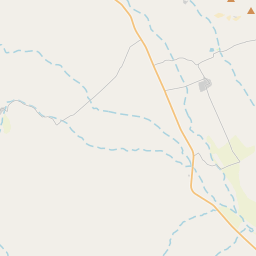
No mapa

Na Wikipédia
Texto em inglês Ainda não há artigo no teu idioma: trecho em inglês.
The Fezouata Formation or Fezouata Shale is a geological formation in Morocco which dates to the Early Ordovician. It was deposited in a marine environment, and is known for its exceptionally preserved fossils, filling an important preservational window beyond the earlier and more common Cambrian Burgess shale-type deposits. The fauna of this geological unit is often described as the Fezouata biota, and the particular strata within the formation which exhibit exceptional preservation are generally termed the Fezouata Lagerstätte. Over 1,500 non-mineralized specimens, representing 50 distinct taxa that have a composition similar to earlier Burgess Shale type biotas, have been recovered from the formations, in addition to a less abundant shelly fauna. The make-up of the community varies significantly through the stratigraphic sequence, with both abundances and faunal composition changing as time progresses. Major burrowing is not present, but there are small (1–3 mm wide) burrows in the sediment, which may indicate that there is not enough oxygen in the water or sediment. Particularly notable is the presence of bryozoa and graptolites, forms that are absent in the Cambrian period. Diverse echinoderms indicate a normal range of salinity, and the overall shelly assemblage is not significantly different from the normal shelly fauna expected in open Ordovician waters. The non-mineralized cohort contains a range of forms familiar from the Burgess Shale: Demosponges, lobopods, barnacles, annelids, radiodonts (e.g. Aegirocassis), possible halkieriids, marrellomorphs, paleoscolecid worms, nektaspidids, skaniids as well as the expected problematica. Other Ordovician oddballs are also present, including mitrates, machaeridians, cheloniellids and xiphosurans in abundance.
Texto: Wikipédia em inglês, CC BY-SA 4.0. · Imagem: Daderot (CC0) ·