
Kanheri Caves
Ancient caves in Mumbai, India
The Kanheri Caves (Kānherī-guhā [kaːnʱeɾiː ɡuɦaː]) are a group of caves and rock-cut monuments, cut into a massive basalt outcrop in the forests of the Sanjay Gandhi National Park, on the island of Salsette in the western outskirts of Mumbai, India. They contain Buddhist sculptures and relief carvings, paintings and inscriptions, dating from the 1st century CE to the 10th century CE.
Nº Q1356198 ★
Comum · Lugares
Kanheri Caves
Ancient caves in Mumbai, India
The Kanheri Caves (Kānherī-guhā [kaːnʱeɾiː ɡuɦaː]) are a group of caves and rock-cut monuments, cut into a massive basalt outcrop in the forests of the Sanjay Gandhi National Park, on the island of Salsette in the western outskirts of Mumbai, India. They contain Buddhist sculptures and relief carvings, paintings and inscriptions, dating from the 1st century CE to the 10th century CE.
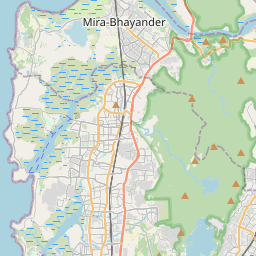
No mapa
Último preço
—
Preço mínimo
—
Mediana 7 d
—
Vendas 30 d
0
Faixa 30 d
—
Em circulação
0
Cotação
mediana
mín – máx
vendas
Sem vendas no período
Ver tabela
| Data | mediana | Mín | Máx | vendas |
|---|
Histórico de vendas
- Última venda
- —
- Média 30 d
- —
- Mínima 30 d
- —
- Máxima 30 d
- —
- Vendas 7 d
- 0
- Vendas 30 d
- 0
Ainda sem vendas.
Vendas anônimas: sem comprador nem vendedor. Os números contam só vendas entre jogadores.
Na Wikipédia
Texto em inglês Ainda não há artigo no seu idioma: trecho em inglês.
The Kanheri Caves (Kānherī-guhā [kaːnʱeɾiː ɡuɦaː]) are a group of caves and rock-cut monuments, cut into a massive basalt outcrop in the forests of the Sanjay Gandhi National Park, on the island of Salsette in the western outskirts of Mumbai, India. They contain Buddhist sculptures and relief carvings, paintings and inscriptions, dating from the 1st century CE to the 10th century CE. Kanheri comes from the Sanskrit Krishnagiri, which means "black mountain". The site is on a hillside, and is accessible via rock-cut steps. The cave complex comprises one hundred and nine caves. The oldest are relatively plain and unadorned, in contrast to later caves on the site or the highly embellished Elephanta Caves of Mumbai. Each cave has a stone plinth that functioned as a bed. A congregation hall with huge stone pillars contains a stupa (a Buddhist pagoda). Rock-cut channels above the caves fed rainwater into cisterns, which provided the complex with water. Once the caves were converted to permanent monasteries, their walls were carved with intricate reliefs of the Buddha and bodhisattvas. The Kanheri caves were built in the 1st century and had become an important Buddhist settlement on the Konkan coast by the 3rd century CE. Most of the caves were Buddhist viharas, meant for living, studying, and meditating. The larger caves, which functioned as chaityas, or halls for congregational worship, are lined with intricately carved Buddhist sculptures, reliefs, pillars and rock-cut stupas. Avalokiteshwara is the most distinctive figure. The large number of viharas indicates there was a well organized establishment of Buddhist monks. This establishment was also connected with many trade centers, such as the ports of Sopara, Kalyan, Nasik, Paithan and Ujjain. Kanheri was a university center by the time the area was under the rule of the Maurayan and Kushan empires. In the...
Texto: Wikipédia em inglês, CC BY-SA 4.0. · Imagem: A.Savin (FAL) ·
Cartas próximas

Grutas de Elefanta
Nº Q649384 ★★★

Borivali
Suburb area in Mumbai
Nº Q4945504 ★

Grutas de Ajanta
Nº Q184427 ★★★

Udayagiri and Khandagiri caves
Partly natural and partly artificial caves of archaeological, historical and religious importance near the city of Bhubaneswar in Odisha, India
Nº Q3536413 ★

Grutas de Ellora
Nº Q189616 ★★★

Udayagiri caves
Early 5th century 19 Hindu and 1 Jain cave temples
Nº Q4250472 ★