
Kizil Caves
Cave in People's Republic of China
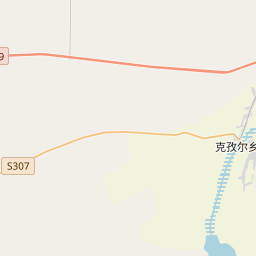
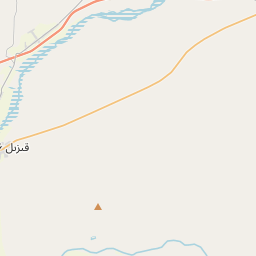
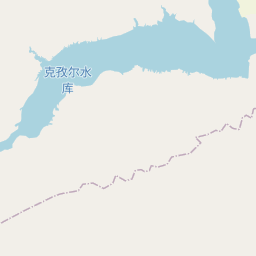
The Kizil Caves (also romanized as Qizil or Qyzyl; Uyghur: قىزىل مىڭ ئۆي, lit. 'The Thousand Red Houses'; Chinese: 克孜尔千佛洞; lit. 'Kizil Caves of the Thousand Buddhas') are a set of Buddhist rock-cut caves located near Kizil Township (克孜尔乡; Kèzī'ěr Xiāng) in Baicheng County, Aksu Prefecture, Xinjiang, China. The site is located on the northern bank of the Muzat River 65 kilometres (40 miles) (75 km; 50 miles by road) west of Kucha.
Nº Q1234019 ★
Comum · Lugares
Kizil Caves
Cave in People's Republic of China
The Kizil Caves (also romanized as Qizil or Qyzyl; Uyghur: قىزىل مىڭ ئۆي, lit. 'The Thousand Red Houses'; Chinese: 克孜尔千佛洞; lit. 'Kizil Caves of the Thousand Buddhas') are a set of Buddhist rock-cut caves located near Kizil Township (克孜尔乡; Kèzī'ěr Xiāng) in Baicheng County, Aksu Prefecture, Xinjiang, China. The site is located on the northern bank of the Muzat River 65 kilometres (40 miles) (75 km; 50 miles by road) west of Kucha.
No mapa
Último preço
—
Preço mínimo
—
Mediana 7 d
—
Vendas 30 d
0
Faixa 30 d
—
Em circulação
0
Cotação
mediana
mín – máx
vendas
Sem vendas no período
Ver tabela
| Data | mediana | Mín | Máx | vendas |
|---|
Histórico de vendas
- Última venda
- —
- Média 30 d
- —
- Mínima 30 d
- —
- Máxima 30 d
- —
- Vendas 7 d
- 0
- Vendas 30 d
- 0
Ainda sem vendas.
Vendas anônimas: sem comprador nem vendedor. Os números contam só vendas entre jogadores.
Na Wikipédia
Texto em inglês Ainda não há artigo no seu idioma: trecho em inglês.
The Kizil Caves (also romanized as Qizil or Qyzyl; Uyghur: قىزىل مىڭ ئۆي, lit. 'The Thousand Red Houses'; Chinese: 克孜尔千佛洞; lit. 'Kizil Caves of the Thousand Buddhas') are a set of Buddhist rock-cut caves located near Kizil Township (克孜尔乡; Kèzī'ěr Xiāng) in Baicheng County, Aksu Prefecture, Xinjiang, China. The site is located on the northern bank of the Muzat River 65 kilometres (40 miles) (75 km; 50 miles by road) west of Kucha. This area was a commercial hub of the Silk Road. The caves have an important role in Central Asian art and in the Silk Road transmission of Buddhism, and are said to be the earliest major Buddhist cave complex in China, with development occurring between the 3rd and 8th centuries CE. The caves of Kizil are the earlier of their type in China, and their model was later adopted in the construction of Buddhist caves further east. Another name for the site has been Ming-oi (明屋), although this term is now mainly used for the site of Shorchuk to the east. The Kizil Caves were inscribed in 2014 on the UNESCO World Heritage List as part of the Silk Roads: the Routes Network of Chang'an-Tianshan Corridor World Heritage Site.
Texto: Wikipédia em inglês, CC BY-SA 4.0. · Imagem: Rolfmueller (CC BY-SA 3.0) ·


