


Liqian
Village in Gansu province, China
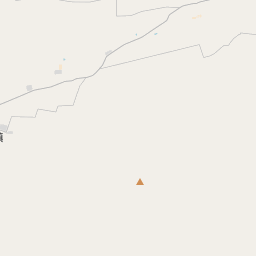
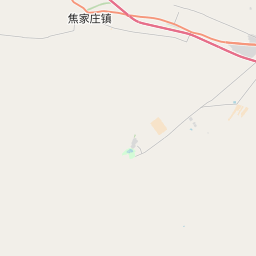
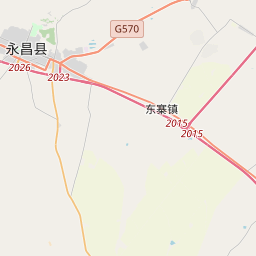
Liqian (simplified Chinese: 骊靬; traditional Chinese: 驪靬; pinyin: Líqián; Wade–Giles: Li-ch'ien) was a county established during the Western Han dynasty and located in the south of modern Yongchang County, Jinchang, in Gansu province of Northwest China. The Western Han inhabitants of the county had migrated to the area from western regions.
Nº Q1012794 ★★
Incomum · Lugares
Liqian
Village in Gansu province, China
Liqian (simplified Chinese: 骊靬; traditional Chinese: 驪靬; pinyin: Líqián; Wade–Giles: Li-ch'ien) was a county established during the Western Han dynasty and located in the south of modern Yongchang County, Jinchang, in Gansu province of Northwest China. The Western Han inhabitants of the county had migrated to the area from western regions.
No mapa
Último preço
—
Preço mínimo
—
Mediana 7 d
—
Vendas 30 d
0
Faixa 30 d
—
Em circulação
0
Cotação
mediana
mín – máx
vendas
Sem vendas no período
Ver tabela
| Data | mediana | Mín | Máx | vendas |
|---|
Histórico de vendas
- Última venda
- —
- Média 30 d
- —
- Mínima 30 d
- —
- Máxima 30 d
- —
- Vendas 7 d
- 0
- Vendas 30 d
- 0
Ainda sem vendas.
Vendas anônimas: sem comprador nem vendedor. Os números contam só vendas entre jogadores.
Na Wikipédia
Texto em inglês Ainda não há artigo no seu idioma: trecho em inglês.
Liqian (simplified Chinese: 骊靬; traditional Chinese: 驪靬; pinyin: Líqián; Wade–Giles: Li-ch'ien) was a county established during the Western Han dynasty and located in the south of modern Yongchang County, Jinchang, in Gansu province of Northwest China. The Western Han inhabitants of the county had migrated to the area from western regions. The county was renamed Liqian (力乾) during the Northern Wei dynasty and disestablished during the Sui dynasty, becoming part of Fanhe County. There is a theory that some of the modern-day residents of Zhelaizhai (now Liqian village, in Jiaojiazhuang township) are descendants of a group of Roman soldiers that were never accounted for after being captured in the Battle of Carrhae. However, Chinese authorities, a 2007 genetic study, and archaeologists have debunked this theory.
Texto: Wikipédia em inglês, CC BY-SA 4.0. · Imagem: Uwe Dedering (CC BY-SA 3.0) ·
Cartas próximas
-

Li County, Gansu
County in Gansu, China
Nº Q1201792 ★★
Sem ofertas
-

Yongchang County
County
Nº Q1201102 ★
Sem ofertas
-

Linquan County
County in China
Nº Q384727 ★★
Sem ofertas
-

Liquan County
County
Nº Q1201612 ★★
Sem ofertas
-

Longquan
County-level city
Nº Q1361355 ★★
Sem ofertas
-

Jinzhai County
County
Nº Q1337537 ★★
Sem ofertas