
Madrid (Colombia)
Colombian municipality of the department of Cundinamarca
Madrid (Spanish pronunciation: [maˈðɾið]) is a municipality located in the Cundinamarca Department, Colombia, within the Western Savanna Province. As of 2024, it has an estimated population of approximately 140,000 residents, making it one of the most populous municipalities in the region and the country.
Nº Q2316396 ★★★
Rara · Lugares
Madrid (Colombia)
Colombian municipality of the department of Cundinamarca
Madrid (Spanish pronunciation: [maˈðɾið]) is a municipality located in the Cundinamarca Department, Colombia, within the Western Savanna Province. As of 2024, it has an estimated population of approximately 140,000 residents, making it one of the most populous municipalities in the region and the country.
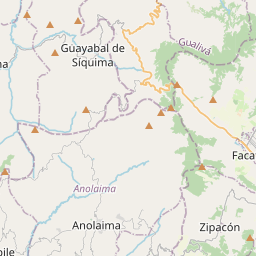
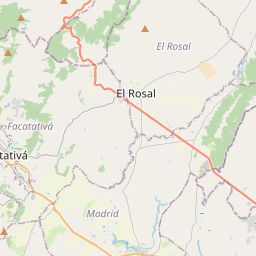
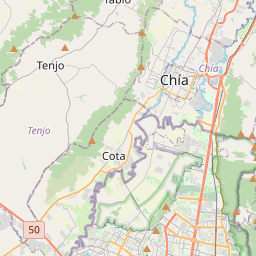
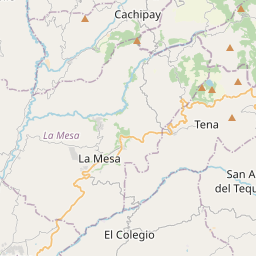
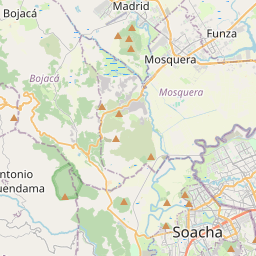
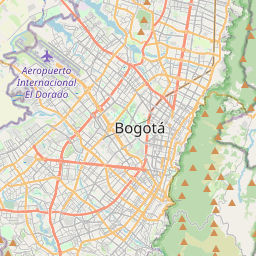
No mapa
Último preço
—
Preço mínimo
—
Mediana 7 d
—
Vendas 30 d
0
Faixa 30 d
—
Em circulação
0
Cotação
mediana
mín – máx
vendas
Sem vendas no período
Ver tabela
| Data | mediana | Mín | Máx | vendas |
|---|
Histórico de vendas
- Última venda
- —
- Média 30 d
- —
- Mínima 30 d
- —
- Máxima 30 d
- —
- Vendas 7 d
- 0
- Vendas 30 d
- 0
Ainda sem vendas.
Vendas anônimas: sem comprador nem vendedor. Os números contam só vendas entre jogadores.
Na Wikipédia
Texto em inglês Ainda não há artigo no seu idioma: trecho em inglês.
Madrid (Spanish pronunciation: [maˈðɾið]) is a municipality located in the Cundinamarca Department, Colombia, within the Western Savanna Province. As of 2024, it has an estimated population of approximately 140,000 residents, making it one of the most populous municipalities in the region and the country. The municipality spans an area of 120.5 square kilometers and is situated at an altitude of 2,554 meters above sea level. Located 21 kilometers west of Bogotá, Madrid is closely connected to the Colombian capital, both functionally and spatially, as part of its broader metropolitan area. Established as an encomienda in 1559 by Alonso Díaz and originally named Serrezuela, the municipality was renamed Madrid in 1875. In the present day, it is recognized for its significant residential growth and cultural diversity, characteristics that have established it as a prominent commuter town within the metropolitan area of Bogotá. This development exemplifies broader patterns of socio-spatial transformation and underscores the dynamic interaction between urbanization processes and demographic mobility in the region. Before the arrival of European colonizers and the rise of the Muisca culture, the area now known as the municipality of Madrid was inhabited by the Herrera Culture, one of the earliest sedentary societies on the Bogotá savanna. This pre-Columbian community established settlements near essential water sources, such as the Subachoque River and Lake La Herrera, which were integral to their subsistence as well as their ritual and ceremonial practices. Archaeological evidence from the region, including remnants of funerary complexes and structures potentially used for astronomical observation, suggests a symbolic and economic relationship with water. These findings also highlight the community's sophisticated understanding of natural and astronomical cycles, which shaped both their agricultural activities and spiritual traditions. In the later pre-Columbian era, the region became known as Tibaitatá, a significant agricultural center within the Muisca Confederation and...
Texto: Wikipédia em inglês, CC BY-SA 4.0. · Imagem: Arturo Aparicio (CC BY-SA 3.0) ·


