
Marathovounos
Village in Famagusta District, Cyprus
Marathovounos (Greek: Μαραθόβουνος, Turkish: Ulukışla) is a village in the Famagusta District of central Cyprus. It is under the de facto control of Northern Cyprus. It is named after the fennel (Marathos) an aromatic and flavourful herb used in cooking and folk medicine.
Nº Q6755048 ★★
Incomum · Lugares
Marathovounos
Village in Famagusta District, Cyprus
Marathovounos (Greek: Μαραθόβουνος, Turkish: Ulukışla) is a village in the Famagusta District of central Cyprus. It is under the de facto control of Northern Cyprus. It is named after the fennel (Marathos) an aromatic and flavourful herb used in cooking and folk medicine.
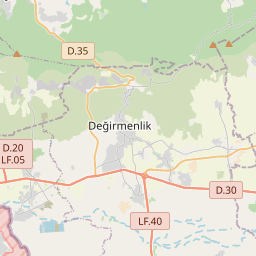
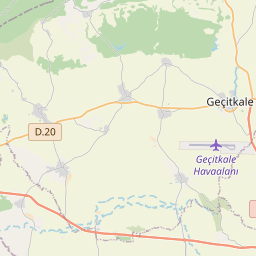
No mapa
Último preço
—
Preço mínimo
—
Mediana 7 d
—
Vendas 30 d
0
Faixa 30 d
—
Em circulação
0
Cotação
mediana
mín – máx
vendas
Sem vendas no período
Ver tabela
| Data | mediana | Mín | Máx | vendas |
|---|
Histórico de vendas
- Última venda
- —
- Média 30 d
- —
- Mínima 30 d
- —
- Máxima 30 d
- —
- Vendas 7 d
- 0
- Vendas 30 d
- 0
Ainda sem vendas.
Vendas anônimas: sem comprador nem vendedor. Os números contam só vendas entre jogadores.
Na Wikipédia
Texto em inglês Ainda não há artigo no seu idioma: trecho em inglês.
Marathovounos (Greek: Μαραθόβουνος, Turkish: Ulukışla) is a village in the Famagusta District of central Cyprus. It is under the de facto control of Northern Cyprus. It is named after the fennel (Marathos) an aromatic and flavourful herb used in cooking and folk medicine. It was after the 1974 Turkish invasion that it was renamed Ulukışla, meaning "holy barracks" or "large barracks" in Turkish. Marathovounos is 2 km north of the village of Angastina, 4 km south of the village of Tziados and 39 km from its provincial capital Famagusta, to the east. It is 65 meters above sea level. Marathovounos was built on a hillock called Vounos (Greek for hill) on the northern edge of the Massaoria plain. Evidence of mid to late Bronze Age habitation was discovered there. There's also an ancient Basilica at nearby Petrera. There is speculation that there was an earlier Christian village at Vouno with a small church that dates from the 1700s. It is possible that one of the walls of Prophitis Ilias (Prophet Elias), the church of Marathovounos, incorporated an old fresco from this small church. In the early 1820s Greek Cypriots found refuge in the caves around the hillock of Vouno from Agia Paraskevi a nearby village to the north which had been established in 1571. This was after a wave of massacres that were inflicted on the Greek Cypriots throughout the island by the Ottoman administrators who feared that there would be a similar uprising for independence as it occurred in Greece in 1821. "The first inhabitants of the village moved in 1821 from Greek houses from the place where we find today the Turkish village of Tziados, next to Marathovounos … The fact that the mosque of Tsiados is the church of Agia Paraskevi which was turned to a mosque...
Texto: Wikipédia em inglês, CC BY-SA 4.0. · Imagem: Christos Evangeli (CC BY-SA 3.0) ·
Cartas próximas
Trypimeni
Village in Famagusta District, Cyprus
Nº Q7848790 ★★★

Chatos
Place in Istanbul district in france
Nº Q4816809 ★★

Anorthosis Famagusta FC
Professional association football club based in Ammochostos (Famagusta)
Nº Q141688 ★★★
Psyllatos
Village in Famagusta District, Cyprus
Nº Q7256573 ★★

Vokolida
Village in İskele District, Cyprus
Nº Q7939935 ★★★

Galateia
Village in Cyprus
Nº Q4818481 ★★