

Rara · Lugares
Nuba, Hebron
Municipality in Hebron Governorate
Nuba (Arabic: نوبا) is a Palestinian town located eleven kilometers north-west of Hebron.The town is in the Hebron Governorate of the State of Palestine, in the southern West Bank. According to the Palestinian Central Bureau of Statistics, the village had a population of 5,631 in 2017.
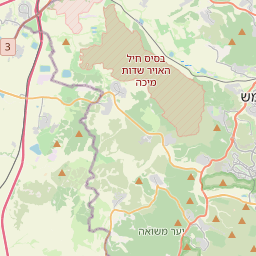
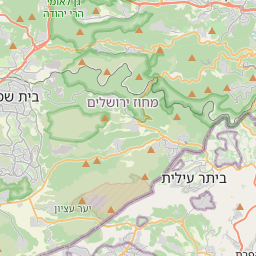
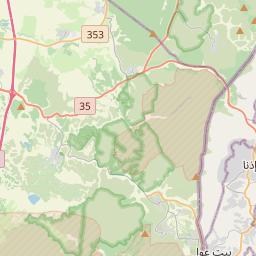
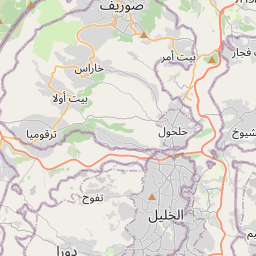
No mapa
Na Wikipédia
Texto em inglês Ainda não há artigo no teu idioma: trecho em inglês.
Nuba (Arabic: نوبا) is a Palestinian town located eleven kilometers north-west of Hebron.The town is in the Hebron Governorate of the State of Palestine, in the southern West Bank. According to the Palestinian Central Bureau of Statistics, the village had a population of 5,631 in 2017. Nuba is mentioned in three waqf (religious endowment) documents dating to the first decade of the 14th century, during Mamluk rule in Palestine (1260–1516). The waqf concerned revenues from the village for the benefit of the Ibrahimi Mosque in Hebron and provide information about the residents of Nuba. In one of the documents, three ru'asa (sing: ra'is; headmen), all belonging to a family called the Banu Amir, recognize their duties to forward grain revenue to the waqf and guarantee each other's obligations. In the second document, dated to July 1306, four ru'asa of Nuba swear to the governor of Jerusalem to act lawfully, keep the peace between themselves, and cultivate the village lands belonging to the waqf. Thirteen men, some from clans called al-Abbas and al-Ghazi, from the nearby villages of Halhul, Tarqumiya, Beit Ula, Beit Einun and Nuba's satellite village of Beit Nasif all agreed to ensure the peace in Nuba, indicating there had been persistent strife in the village prompting intervention. The third document, dating to 1307, orders three villagers of Nuba, all members of the Banu Amir but not ru'asa, to act lawfully and not engage in mischief. Nuba, like the rest of Palestine, was incorporated into the Ottoman Empire in 1516, and in a tax register from 1596, the village was listed as part of the nahiya (subdistrict) of Hebron in the liwa of Jerusalem. It had a population of 82 Muslim households.
Texto: Wikipédia em inglês, CC BY-SA 4.0. · Imagem: Bessandabbas (CC BY-SA 4.0) ·