
Peel, Netherlands
Bog area on the border of the Dutch provinces of North Brabant and Limburg
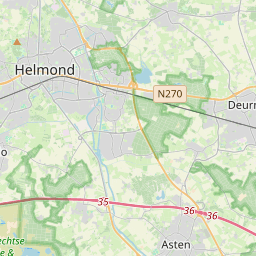
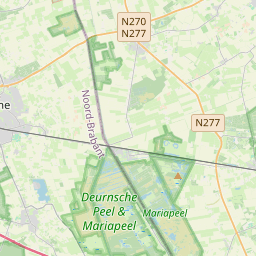
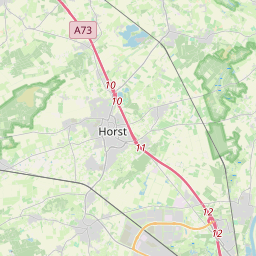
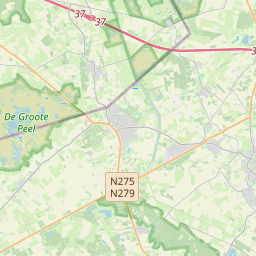
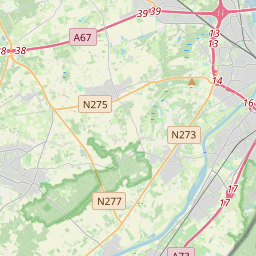
De Peel is a region in the southeast of the Netherlands that straddles the border between the provinces of North Brabant and Limburg. From the Middle Ages until the 20th century, peat was extracted from the Peel for use as fuel.
Nº Q2341192 ★★★★
Super rara · Lugares
Peel, Netherlands
Bog area on the border of the Dutch provinces of North Brabant and Limburg
De Peel is a region in the southeast of the Netherlands that straddles the border between the provinces of North Brabant and Limburg. From the Middle Ages until the 20th century, peat was extracted from the Peel for use as fuel.
No mapa

Último preço
—
Preço mínimo
—
Mediana 7 d
—
Vendas 30 d
0
Faixa 30 d
—
Em circulação
0
Cotação
mediana
mín – máx
vendas
Sem vendas no período
Ver tabela
| Data | mediana | Mín | Máx | vendas |
|---|
Histórico de vendas
- Última venda
- —
- Média 30 d
- —
- Mínima 30 d
- —
- Máxima 30 d
- —
- Vendas 7 d
- 0
- Vendas 30 d
- 0
Ainda sem vendas.
Vendas anônimas: sem comprador nem vendedor. Os números contam só vendas entre jogadores.
Na Wikipédia
Texto em inglês Ainda não há artigo no seu idioma: trecho em inglês.
De Peel is a region in the southeast of the Netherlands that straddles the border between the provinces of North Brabant and Limburg. From the Middle Ages until the 20th century, peat was extracted from the Peel for use as fuel. For this purpose many canals were dug to remove the water and for ships to move out the peat. The first recorded excavation was in 1427, and it was reported in 1670 that locals were not only collecting peat for their own use but selling it to nearby villages. By the 19th century the quantity of peat remaining in the area may have been as little as a quarter of the original level. Intensive commercial excavation began in 1853, but the industry soon declined as a result of several national economic crises. Peat excavation in the region ended in 1942. In 1910, a collection of Roman artefacts was discovered in the peat bogs near Deurne. These included a helmet, a sword, a coin purse, two bells, several sheets of leather, and various items of clothing. The helmet and the coins date the artefacts to 320 AD. It was also reported that a human fibula, or leg bone, was among the finds, but the documentary evidence for this is scant. Archaeologist W. C. Braat speculated that a Roman horseman had accidentally stumbled into the bog, but more recent analysis shows that the artefacts are more likely to have been deliberately and ritually deposited. An area that has remained partly untouched by the peat-cutting was turned into a National Park, the Groote Peel. It has a size of 13.4 km2 (5.2 sq mi). It is one of the most bird-rich areas in Western Europe, with resident black-necked grebes and sometimes migrating common cranes in October/November. The terrain is varied with inaccessible...
Texto: Wikipédia em inglês, CC BY-SA 4.0. · Imagem: FrDr (CC BY-SA 4.0) ·


