

Incomum · Lugares
Saris, Jerusalem
Palestinian Arab village
Saris (Arabic: ساريس) was a Palestinian Arab village that was depopulated during the major offensive launched by the Haganah on 16 April 1948. Called Operation Nachshon, and launched before the British had left Palestine, its objective was to capture villages between Jerusalem and the coastal plain, in order to break the siege of the Jews of Jerusalem.
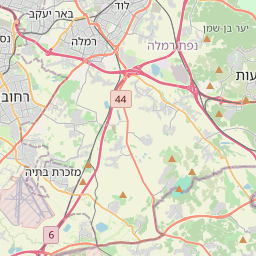
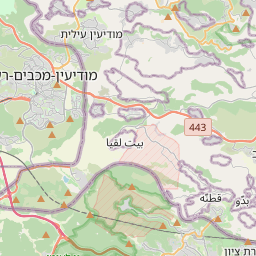
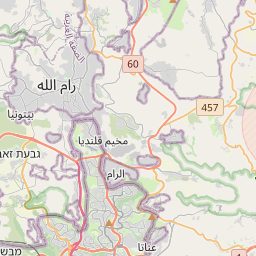
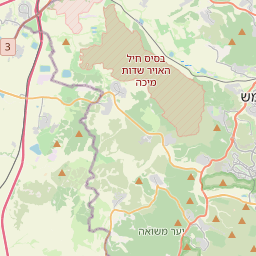
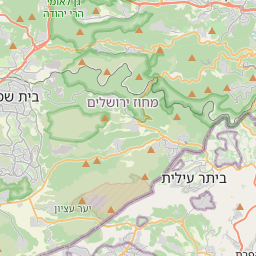
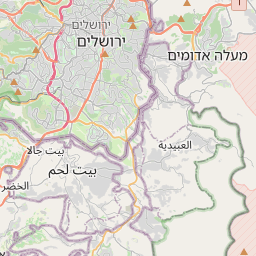
No mapa
Na Wikipédia
Texto em inglês Ainda não há artigo no teu idioma: trecho em inglês.
Saris (Arabic: ساريس) was a Palestinian Arab village that was depopulated during the major offensive launched by the Haganah on 16 April 1948. Called Operation Nachshon, and launched before the British had left Palestine, its objective was to capture villages between Jerusalem and the coastal plain, in order to break the siege of the Jews of Jerusalem. Yaqut al-Hamawi noted about Saris in the 1220s that it was "a village of the district round Jerusalem. It lies half-way between Jerusalem and Ar Ramlah, and 4 hours from either place". During Ottoman rule in Palestine, in 1596, Saris was a village in the nahiya (subdistrict) of Jerusalem under the liwa' (district) of Jerusalem and it had a population of 53 Muslim households, an estimated 292 persons. The villagers paid taxes on a number of crops, including wheat, barley, olives fruit and carob, as well as on goats, beehives and vineyards; a total of 7,098 akçe. A quarter of the revenue went to a Waqf. In 1838, Edward Robinson noted Saris as a Muslim village in the District of Beni Malik, west of Jerusalem, while in 1852 he noted that the village "belonged feudally" to the Latham family, of Bayt 'Itab. In 1863, the French explorer Victor Guérin found Saris to have an apparently ancient water well, while the houses looked "dilapidated". An Ottoman village list of about 1870 counted 57 houses and a population of 169, though the population count included men, only.
Texto: Wikipédia em inglês, CC BY-SA 4.0. · Imagem: Avraham Ashkenazi (Public domain) ·