
Badami cave temples
6th-8th century Hindu and Jain cave temples in Karnataka, India
The Badami cave temples are a complex of Buddhist, Hindu and Jain cave temples located in Badami, a town in the Bagalkot district in northern part of Karnataka, India. The caves are important examples of Indian rock-cut architecture, especially Badami Chalukya architecture, and the earliest date from the 6th century.
Nº Q825236 ★★
Uncommon · Places
Badami cave temples
6th-8th century Hindu and Jain cave temples in Karnataka, India
The Badami cave temples are a complex of Buddhist, Hindu and Jain cave temples located in Badami, a town in the Bagalkot district in northern part of Karnataka, India. The caves are important examples of Indian rock-cut architecture, especially Badami Chalukya architecture, and the earliest date from the 6th century.
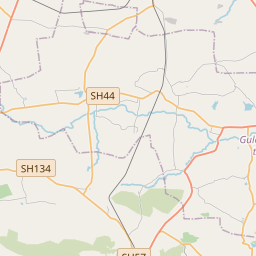
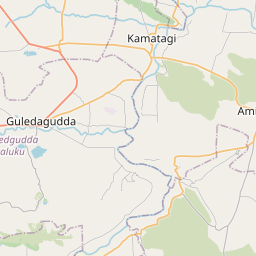
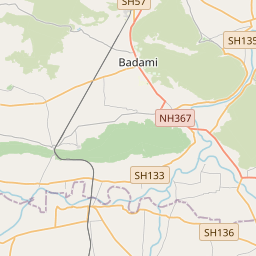
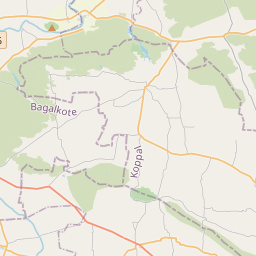
On the map
Last price
—
Floor price
—
7-day median
—
30-day sales
0
30-day range
—
In circulation
0
Price history
median
low – high
sales
No sales in this period
Show table
| Date | median | Low | High | sales |
|---|
Sales history
- Last sale
- —
- 30-day average
- —
- 30-day low
- —
- 30-day high
- —
- Sales 7d
- 0
- Sales 30d
- 0
No sales yet.
Anonymous sales: no buyer or seller shown. Figures count player-to-player sales only.
From Wikipedia
The Badami cave temples are a complex of Buddhist, Hindu and Jain cave temples located in Badami, a town in the Bagalkot district in northern part of Karnataka, India. The caves are important examples of Indian rock-cut architecture, especially Badami Chalukya architecture, and the earliest date from the 6th century. Badami is a modern name and was previously known as "Vataapi", the capital of the early Chalukya dynasty, which ruled much of Karnataka from the 6th to the 8th century. Badami is situated on the west bank of a man-made lake ringed by an earthen wall with stone steps; it is surrounded on the north and south by forts built during Early Chalukya and in later times. The Badami cave temples represent some of the earliest known examples of Hindu temples in the Deccan region. They along with the temples in Aihole transformed the Mallaprabha River valley into a cradle of temple architecture that influenced the components of later Hindu temples elsewhere in India. The 4 caves are all in the escarpment of the hill in soft Badami sandstone formation, to the south-east of the town. In Cave 1, among various sculptures of Hindu divinities and themes, a prominent carving is of the dancing Shiva as Nataraja. Cave 2 is mostly similar to Cave 1 in terms of its layout and dimensions, featuring Hindu subjects of which the Hari Hara, Ardhanari shiva, Mahishamardini, Dwi Bahu Ganesha and Skanda in a separate antichamber on extended cave at western side-next to great Nataraja sculpture. Cave 2 has premier images of relief of Vishnu as Trivikrama is the largest. The largest cave is Cave 3, featuring Vishnu as Ananta seated on coiled serpent, Varaha with Bhudevi, Harihara, Narasimha in standing posture, great image of Trivikrama and Virata Vishnu. The cave has fine carvings...
Text: Wikipédia, CC BY-SA 4.0. · Image: Ms Sarah Welch (CC BY-SA 4.0) ·
Related cards

Badami
Town in Karnataka India
Nº Q590751 ★★

Pattadakal
World Heritage site with 7th and 8th century temples
Nº Q817250 ★★

Western Chalukya Empire
Empire which ruled most of the western Deccan, South India, between the 10th and 12th centuries
Nº Q14624218 ★★

Aihole
Village and historic site in Karnataka, India
Nº Q404851 ★★

Basavakalyan
City in Bidar district
Nº Q712521 ★

Vaishali (ancient city)
Ancient Buddhist pilgrimage and archaeological site (Ashoka pillar, Stupa and Swastika Monastery) associated with significant events in Lord Buddha's life; in Bihar in India
Nº Q1509463 ★★