
Badami cave temples
6th-8th century Hindu and Jain cave temples in Karnataka, India
The Badami cave temples are a complex of Buddhist, Hindu and Jain cave temples located in Badami, a town in the Bagalkot district in northern part of Karnataka, India. The caves are important examples of Indian rock-cut architecture, especially Badami Chalukya architecture, and the earliest date from the 6th century.
Nº Q825236 ★★
Poco común · Lugares
Badami cave temples
6th-8th century Hindu and Jain cave temples in Karnataka, India
The Badami cave temples are a complex of Buddhist, Hindu and Jain cave temples located in Badami, a town in the Bagalkot district in northern part of Karnataka, India. The caves are important examples of Indian rock-cut architecture, especially Badami Chalukya architecture, and the earliest date from the 6th century.
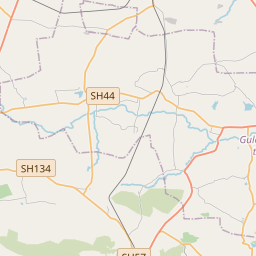
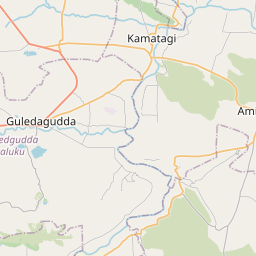
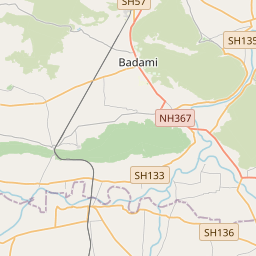
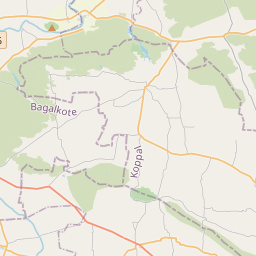
En el mapa
Último precio
—
Precio mínimo
—
Mediana 7 d
—
Ventas 30 d
0
Rango 30 d
—
En circulación
0
Cotización
mediana
mín – máx
ventas
Sin ventas en el periodo
Ver tabla
| Fecha | mediana | Mín | Máx | ventas |
|---|
Historial de ventas
- Última venta
- —
- Media 30 d
- —
- Mínimo 30 d
- —
- Máximo 30 d
- —
- Ventas 7 d
- 0
- Ventas 30 d
- 0
Aún no hay ventas.
Ventas anónimas: sin comprador ni vendedor. Las cifras solo cuentan ventas entre jugadores.
En Wikipedia
Texto en inglés Aún no hay artículo en tu idioma: extracto en inglés.
The Badami cave temples are a complex of Buddhist, Hindu and Jain cave temples located in Badami, a town in the Bagalkot district in northern part of Karnataka, India. The caves are important examples of Indian rock-cut architecture, especially Badami Chalukya architecture, and the earliest date from the 6th century. Badami is a modern name and was previously known as "Vataapi", the capital of the early Chalukya dynasty, which ruled much of Karnataka from the 6th to the 8th century. Badami is situated on the west bank of a man-made lake ringed by an earthen wall with stone steps; it is surrounded on the north and south by forts built during Early Chalukya and in later times. The Badami cave temples represent some of the earliest known examples of Hindu temples in the Deccan region. They along with the temples in Aihole transformed the Mallaprabha River valley into a cradle of temple architecture that influenced the components of later Hindu temples elsewhere in India. The 4 caves are all in the escarpment of the hill in soft Badami sandstone formation, to the south-east of the town. In Cave 1, among various sculptures of Hindu divinities and themes, a prominent carving is of the dancing Shiva as Nataraja. Cave 2 is mostly similar to Cave 1 in terms of its layout and dimensions, featuring Hindu subjects of which the Hari Hara, Ardhanari shiva, Mahishamardini, Dwi Bahu Ganesha and Skanda in a separate antichamber on extended cave at western side-next to great Nataraja sculpture. Cave 2 has premier images of relief of Vishnu as Trivikrama is the largest. The largest cave is Cave 3, featuring Vishnu as Ananta seated on coiled serpent, Varaha with Bhudevi, Harihara, Narasimha in standing posture, great image of Trivikrama and Virata Vishnu. The cave has fine carvings...
Texto: Wikipedia en inglés, CC BY-SA 4.0. · Imagen: Ms Sarah Welch (CC BY-SA 4.0) ·


