
Luni River
River in India
The Luni is the largest river in the Thar Desert in Northwest India. It originates in Naga hills of the Pushkar valley of the Aravalli Range, near Ajmer, passes through the southeastern portion of the Thar Desert, and ends in the marshy lands of Rann of Kutch in Gujarat, after travelling a distance of 495 km (308 mi).
Nº Q289273 ★
Common · Places
Luni River
River in India
The Luni is the largest river in the Thar Desert in Northwest India. It originates in Naga hills of the Pushkar valley of the Aravalli Range, near Ajmer, passes through the southeastern portion of the Thar Desert, and ends in the marshy lands of Rann of Kutch in Gujarat, after travelling a distance of 495 km (308 mi).
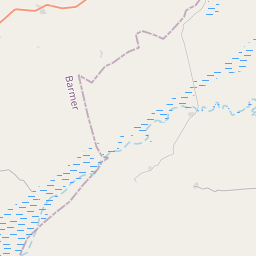
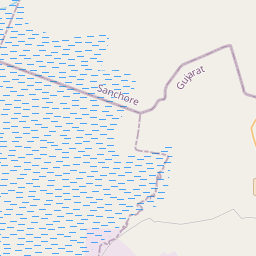
On the map


Last price
—
Floor price
—
7-day median
—
30-day sales
0
30-day range
—
In circulation
0
Price history
median
low – high
sales
No sales in this period
Show table
| Date | median | Low | High | sales |
|---|
Sales history
- Last sale
- —
- 30-day average
- —
- 30-day low
- —
- 30-day high
- —
- Sales 7d
- 0
- Sales 30d
- 0
No sales yet.
Anonymous sales: no buyer or seller shown. Figures count player-to-player sales only.
From Wikipedia
The Luni is the largest river in the Thar Desert in Northwest India. It originates in Naga hills of the Pushkar valley of the Aravalli Range, near Ajmer, passes through the southeastern portion of the Thar Desert, and ends in the marshy lands of Rann of Kutch in Gujarat, after travelling a distance of 495 km (308 mi). It is first known as Sagarmati, then after passing Govindgarh, it meets its tributary Sarasvati, which originates from Pushkar Lake and from then on it is called Luni. In 1892, Maharaja Jaswant Singh II of Jodhpur constructed 0 in Pichiyak village between Bilara and Bhawi of Jodhpur district. It is one of the largest artificial lakes in India and irrigates more than 12,000 acres (49 km2). It is one of the internal drainage rivers in India; it does not meet the Arabian Sea. It is drained before it reaches the Arabian Sea.
Text: Wikipédia, CC BY-SA 4.0. · Image: Pinakpani (CC BY 4.0) ·


