
Luni River
River in India
The Luni is the largest river in the Thar Desert in Northwest India. It originates in Naga hills of the Pushkar valley of the Aravalli Range, near Ajmer, passes through the southeastern portion of the Thar Desert, and ends in the marshy lands of Rann of Kutch in Gujarat, after travelling a distance of 495 km (308 mi).
Nº Q289273 ★
Comum · Lugares
Luni River
River in India
The Luni is the largest river in the Thar Desert in Northwest India. It originates in Naga hills of the Pushkar valley of the Aravalli Range, near Ajmer, passes through the southeastern portion of the Thar Desert, and ends in the marshy lands of Rann of Kutch in Gujarat, after travelling a distance of 495 km (308 mi).
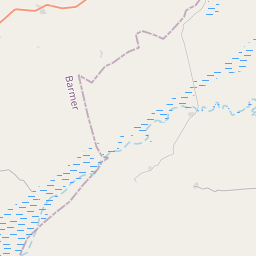
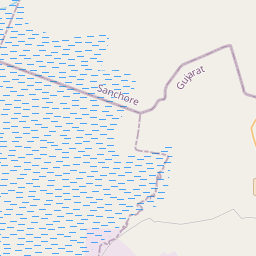
No mapa


Último preço
—
Preço mínimo
—
Mediana 7 d
—
Vendas 30 d
0
Faixa 30 d
—
Em circulação
0
Cotação
mediana
mín – máx
vendas
Sem vendas no período
Ver tabela
| Data | mediana | Mín | Máx | vendas |
|---|
Histórico de vendas
- Última venda
- —
- Média 30 d
- —
- Mínima 30 d
- —
- Máxima 30 d
- —
- Vendas 7 d
- 0
- Vendas 30 d
- 0
Ainda sem vendas.
Vendas anônimas: sem comprador nem vendedor. Os números contam só vendas entre jogadores.
Na Wikipédia
Texto em inglês Ainda não há artigo no seu idioma: trecho em inglês.
The Luni is the largest river in the Thar Desert in Northwest India. It originates in Naga hills of the Pushkar valley of the Aravalli Range, near Ajmer, passes through the southeastern portion of the Thar Desert, and ends in the marshy lands of Rann of Kutch in Gujarat, after travelling a distance of 495 km (308 mi). It is first known as Sagarmati, then after passing Govindgarh, it meets its tributary Sarasvati, which originates from Pushkar Lake and from then on it is called Luni. In 1892, Maharaja Jaswant Singh II of Jodhpur constructed 0 in Pichiyak village between Bilara and Bhawi of Jodhpur district. It is one of the largest artificial lakes in India and irrigates more than 12,000 acres (49 km2). It is one of the internal drainage rivers in India; it does not meet the Arabian Sea. It is drained before it reaches the Arabian Sea.
Texto: Wikipédia em inglês, CC BY-SA 4.0. · Imagem: Pinakpani (CC BY 4.0) ·


