
Newton-le-Willows
Town in St Helens, Merseyside, England, UK
Newton-le-Willows, often shortened informally to Newton, is a market town in the Metropolitan Borough of St Helens, Merseyside, England. The population at the 2021 census was 24,642. Newton-le-Willows is on the eastern edge of St Helens, south of Wigan and north of Warrington, equidistant to Liverpool and Manchester.
Nº Q750000 ★★
Uncommon · Places
Newton-le-Willows
Town in St Helens, Merseyside, England, UK
Newton-le-Willows, often shortened informally to Newton, is a market town in the Metropolitan Borough of St Helens, Merseyside, England. The population at the 2021 census was 24,642. Newton-le-Willows is on the eastern edge of St Helens, south of Wigan and north of Warrington, equidistant to Liverpool and Manchester.
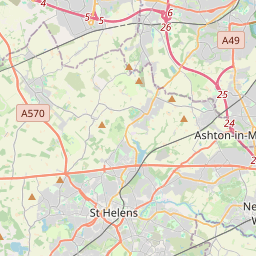
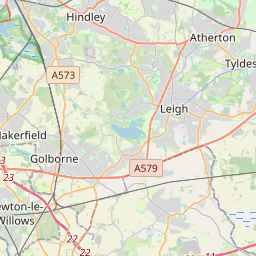
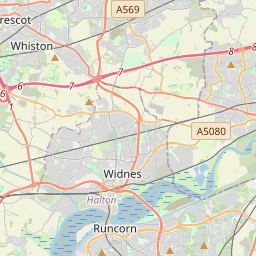
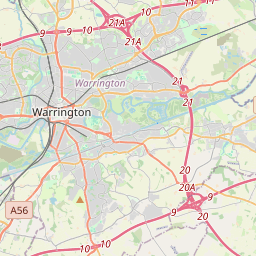
On the map
Last price
—
Floor price
—
7-day median
—
30-day sales
0
30-day range
—
In circulation
0
Price history
median
low – high
sales
No sales in this period
Show table
| Date | median | Low | High | sales |
|---|
Sales history
- Last sale
- —
- 30-day average
- —
- 30-day low
- —
- 30-day high
- —
- Sales 7d
- 0
- Sales 30d
- 0
No sales yet.
Anonymous sales: no buyer or seller shown. Figures count player-to-player sales only.
From Wikipedia
Newton-le-Willows, often shortened informally to Newton, is a market town in the Metropolitan Borough of St Helens, Merseyside, England. The population at the 2021 census was 24,642. Newton-le-Willows is on the eastern edge of St Helens, south of Wigan and north of Warrington, equidistant to Liverpool and Manchester. Within the boundaries of the historic county of Lancashire, the Newton township was historically largely pastoral lands, with the mining industry encroaching from the north and the west as time went on. The township (often referred to as Newton in Makerfield at that time) is documented since at least the 12th century. In the early 19th century the township saw significant urban development to support the construction of the Liverpool and Manchester Railway. The presence of the Sankey Canal running through the Sankey Valley necessitated the construction of the Sankey Viaduct by George Stephenson, and the town of Earlestown developed around the industrial works there. Earlestown gradually became the administrative and commercial centre of the township, with the historic market and fairs moving to a purpose built square.
Text: Wikipédia, CC BY-SA 4.0. · Image: Rodhullandemu (CC BY-SA 4.0) ·
Related cards

Merseyside
Metropolitan county in North West England
Nº Q23100 ★★★

St Helens, Merseyside
Town in Merseyside, England, UK
Nº Q153647 ★★

Birkenhead
Town in Merseyside, England
Nº Q746718 ★★★

Whiston, Merseyside
Village and civil parish in the Metropolitan Borough of Knowsley, Merseyside, UK
Nº Q1830491 ★★

Huyton
Town in the Metropolitan Borough of Knowsley, in Merseyside, England
Nº Q1639484 ★★

Widnes
Town in Cheshire, England
Nº Q1022741 ★★