
Newton-le-Willows
Town in St Helens, Merseyside, England, UK
Newton-le-Willows, often shortened informally to Newton, is a market town in the Metropolitan Borough of St Helens, Merseyside, England. The population at the 2021 census was 24,642. Newton-le-Willows is on the eastern edge of St Helens, south of Wigan and north of Warrington, equidistant to Liverpool and Manchester.
Nº Q750000 ★★
Incomum · Lugares
Newton-le-Willows
Town in St Helens, Merseyside, England, UK
Newton-le-Willows, often shortened informally to Newton, is a market town in the Metropolitan Borough of St Helens, Merseyside, England. The population at the 2021 census was 24,642. Newton-le-Willows is on the eastern edge of St Helens, south of Wigan and north of Warrington, equidistant to Liverpool and Manchester.
No mapa
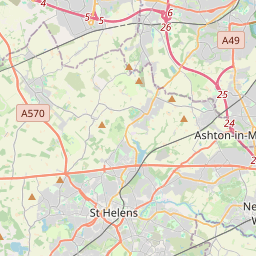
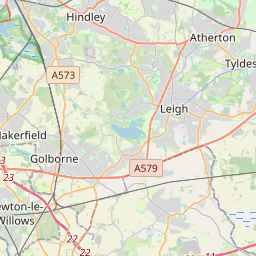
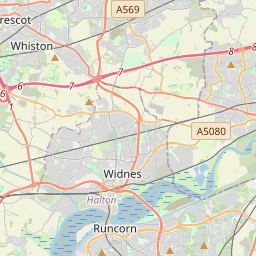
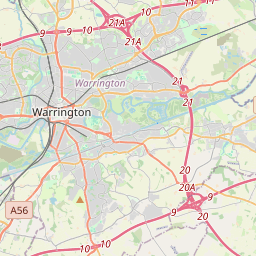
Último preço
—
Preço mínimo
—
Mediana 7 d
—
Vendas 30 d
0
Faixa 30 d
—
Em circulação
0
Cotação
mediana
mín – máx
vendas
Sem vendas no período
Ver tabela
| Data | mediana | Mín | Máx | vendas |
|---|
Histórico de vendas
- Última venda
- —
- Média 30 d
- —
- Mínima 30 d
- —
- Máxima 30 d
- —
- Vendas 7 d
- 0
- Vendas 30 d
- 0
Ainda sem vendas.
Vendas anônimas: sem comprador nem vendedor. Os números contam só vendas entre jogadores.
Na Wikipédia
Texto em inglês Ainda não há artigo no seu idioma: trecho em inglês.
Newton-le-Willows, often shortened informally to Newton, is a market town in the Metropolitan Borough of St Helens, Merseyside, England. The population at the 2021 census was 24,642. Newton-le-Willows is on the eastern edge of St Helens, south of Wigan and north of Warrington, equidistant to Liverpool and Manchester. Within the boundaries of the historic county of Lancashire, the Newton township was historically largely pastoral lands, with the mining industry encroaching from the north and the west as time went on. The township (often referred to as Newton in Makerfield at that time) is documented since at least the 12th century. In the early 19th century the township saw significant urban development to support the construction of the Liverpool and Manchester Railway. The presence of the Sankey Canal running through the Sankey Valley necessitated the construction of the Sankey Viaduct by George Stephenson, and the town of Earlestown developed around the industrial works there. Earlestown gradually became the administrative and commercial centre of the township, with the historic market and fairs moving to a purpose built square.
Texto: Wikipédia em inglês, CC BY-SA 4.0. · Imagem: Rodhullandemu (CC BY-SA 4.0) ·
Cartas próximas

Merseyside
Condado no noroeste da Inglaterra
Nº Q23100 ★★★

St Helens
Cidade em Merseyside, Inglaterra
Nº Q153647 ★★

Birkenhead
Nº Q746718 ★★★

Whiston
Nº Q1830491 ★★

Huyton
Town in the Metropolitan Borough of Knowsley, in Merseyside, England
Nº Q1639484 ★★

Widnes
Town in Cheshire, England
Nº Q1022741 ★★