


Phlius
Ancient city in Corinthia, Greece
Phlius (; Ancient Greek: Φλιοῦς) or Phleius (Φλειοῦς) was an independent polis (city-state) in the northeastern part of Peloponnesus. Phlius' territory, called Phliasia (Φλιασία), was bounded on the north by Sicyonia, on the west by Arcadia, on the east by Cleonae, and on the south by Argolis.
Nº Q1412043 ★
Common · Places
Phlius
Ancient city in Corinthia, Greece
Phlius (; Ancient Greek: Φλιοῦς) or Phleius (Φλειοῦς) was an independent polis (city-state) in the northeastern part of Peloponnesus. Phlius' territory, called Phliasia (Φλιασία), was bounded on the north by Sicyonia, on the west by Arcadia, on the east by Cleonae, and on the south by Argolis.
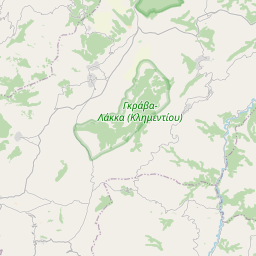
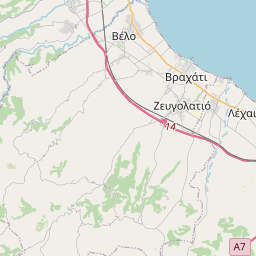
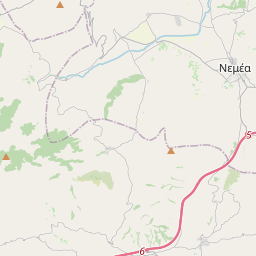
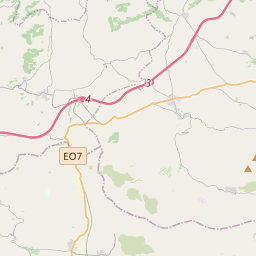
On the map
Last price
—
Floor price
—
7-day median
—
30-day sales
0
30-day range
—
In circulation
0
Price history
median
low – high
sales
No sales in this period
Show table
| Date | median | Low | High | sales |
|---|
Sales history
- Last sale
- —
- 30-day average
- —
- 30-day low
- —
- 30-day high
- —
- Sales 7d
- 0
- Sales 30d
- 0
No sales yet.
Anonymous sales: no buyer or seller shown. Figures count player-to-player sales only.
From Wikipedia
Phlius (; Ancient Greek: Φλιοῦς) or Phleius (Φλειοῦς) was an independent polis (city-state) in the northeastern part of Peloponnesus. Phlius' territory, called Phliasia (Φλιασία), was bounded on the north by Sicyonia, on the west by Arcadia, on the east by Cleonae, and on the south by Argolis. This territory is a small valley about 900 feet (270 m) above the level of the sea, surrounded by mountains, from which streams flow down on every side, joining the river Asopus in the middle of the plain. The mountain in the southern part of the plain, from which the principal source of the Asopus springs, was called Carneates (Καρνεάτης). The territory of Phlius was celebrated in antiquity for its wine. According to Strabo, the ancient capital of the country was Araethyrea (Ἀραιθυρέα) on Mt. Celosse, which city is mentioned by Homer; but the inhabitants subsequently deserted it and built Phlius at the distance of 30 stadia. Pausanias, however, does not speak of any migration, but says that the ancient capital was named Arantia (Ἀραντία), from its founder Aras, an autochthon, that it was afterwards called Araethyrea from a daughter of Aras, and that it finally received the name of Phlius, from Phlias, a son of Ceisus and grandson of Temenus. The name of Arantia was retained in the time of Pausanias in the hill Arantinus, on which the city stood. Hence the statement of grammarians that both Arantia and Araethyrea were ancient names of Phlius. According to Stephanus of Byzantium, Phlius derived its name from Dionysus and Chthonophyle. Phlius was subsequently conquered by Dorians under Rhegnidas, who came from Sicyon. Some of the inhabitants migrated to Samos, others to Clazomenae; among the settlers at Samos was Hippasus, from whom Pythagoras derived his descent. Like most of the other Doric states, Phlius was...
Text: Wikipédia, CC BY-SA 4.0. · Image: Schuppi (CC BY-SA 4.0) ·
Related cards
-

Pheneus
Polis of ancient Arcadia
Nº Q12885741 ★
Not listed
-

Achaea (ancient region)
Ancient region in Peloponnese
Nº Q2790451 ★★★
Not listed
-

Sicyon
Ancient Greek city state Sicyon situated in the northern Peloponnesus
Nº Q368628 ★★
Not listed
-

Philistia
Geo-political region in ancient times occupied by the Philistines
Nº Q7185566 ★★★
Not listed
-

Tyros, Greece
Village in Arcadia, Peloponnese, Greece
Nº Q3563614 ★
Not listed
-

Nemea
Ancient sanctuary of Zeus in Corinthia, Greece
Nº Q748108 ★★★
Not listed