
Shasta Lake
Reservoir behind Shasta Dam in California, United States
Shasta Lake, also popularly known as Lake Shasta, is a reservoir in Shasta County, California, United States. It began to store water in 1944 due to the impounding of the Sacramento River by Shasta Dam, the ninth-tallest dam in the U.S. Shasta Lake is a key facility of the Central Valley Project and provides flood control for the Sacramento Valley, downstream of the dam.
Nº Q14683954 ★
Common · Places
Shasta Lake
Reservoir behind Shasta Dam in California, United States
Shasta Lake, also popularly known as Lake Shasta, is a reservoir in Shasta County, California, United States. It began to store water in 1944 due to the impounding of the Sacramento River by Shasta Dam, the ninth-tallest dam in the U.S. Shasta Lake is a key facility of the Central Valley Project and provides flood control for the Sacramento Valley, downstream of the dam.
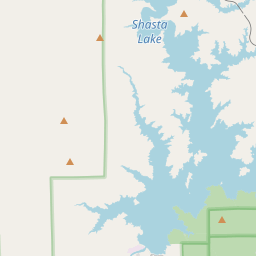
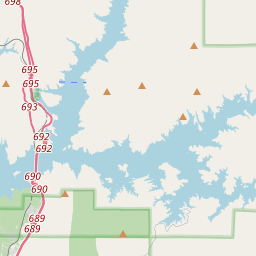
On the map
Last price
—
Floor price
—
7-day median
—
30-day sales
0
30-day range
—
In circulation
0
Price history
median
low – high
sales
No sales in this period
Show table
| Date | median | Low | High | sales |
|---|
Sales history
- Last sale
- —
- 30-day average
- —
- 30-day low
- —
- 30-day high
- —
- Sales 7d
- 0
- Sales 30d
- 0
No sales yet.
Anonymous sales: no buyer or seller shown. Figures count player-to-player sales only.
From Wikipedia
Shasta Lake, also popularly known as Lake Shasta, is a reservoir in Shasta County, California, United States. It began to store water in 1944 due to the impounding of the Sacramento River by Shasta Dam, the ninth-tallest dam in the U.S. Shasta Lake is a key facility of the Central Valley Project and provides flood control for the Sacramento Valley, downstream of the dam. Water outflow generates power through the Shasta Powerplant and is subsequently used for irrigation and municipal purposes. The reservoir lies within the Whiskeytown–Shasta–Trinity National Recreation Area, operated by the Shasta–Trinity National Forest. The California Office of Environmental Health Hazard Assessment (OEHHA) has formed a safe-eating advisory for fish caught in the lake, based on levels of mercury and PCBs found in local species. The Shasta-Keswick Reservoir system is significantly contaminated with heavy metals, primarily due to contributions from four streams. Three of these streams contain acid mine drainage, with Spring Creek being the most notable contributor, releasing high concentrations of cadmium, copper and zinc into the water. At the points where these acid streams mix with lake water, localized toxicity occurs, posing an immediate threat to aquatic life. The synergistic effects of these metals further exacerbate the environmental impact, leading to concerns about the safety of consuming fish from this water source.
Text: Wikipédia, CC BY-SA 4.0. · Image: Captain Budd Christman, NOAA Corps (Public domain) ·
Related cards

Shasta County, California
County in California, United States
Nº Q156350 ★★

Mount Shasta, California
City in Siskiyou County, California, United States
Nº Q987106 ★★

Burney Falls
Waterfall in Shasta County, California, United States
Nº Q4999705 ★

Lake Havasu
Reservoir on the Colorado River in California and Arizona, United States
Nº Q451522 ★★

Siskiyou County, California
County in California, United States
Nº Q156374 ★★

Yreka, California
County seat of Siskiyou County, California, United States
Nº Q2565455 ★★