
Shasta Lake
Reservoir behind Shasta Dam in California, United States
Shasta Lake, also popularly known as Lake Shasta, is a reservoir in Shasta County, California, United States. It began to store water in 1944 due to the impounding of the Sacramento River by Shasta Dam, the ninth-tallest dam in the U.S. Shasta Lake is a key facility of the Central Valley Project and provides flood control for the Sacramento Valley, downstream of the dam.
Nº Q14683954 ★
Comum · Lugares
Shasta Lake
Reservoir behind Shasta Dam in California, United States
Shasta Lake, also popularly known as Lake Shasta, is a reservoir in Shasta County, California, United States. It began to store water in 1944 due to the impounding of the Sacramento River by Shasta Dam, the ninth-tallest dam in the U.S. Shasta Lake is a key facility of the Central Valley Project and provides flood control for the Sacramento Valley, downstream of the dam.
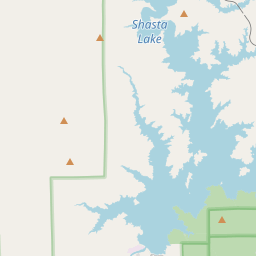
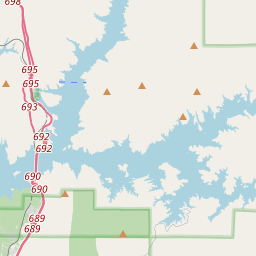
No mapa
Último preço
—
Preço mínimo
—
Mediana 7 d
—
Vendas 30 d
0
Faixa 30 d
—
Em circulação
0
Cotação
mediana
mín – máx
vendas
Sem vendas no período
Ver tabela
| Data | mediana | Mín | Máx | vendas |
|---|
Histórico de vendas
- Última venda
- —
- Média 30 d
- —
- Mínima 30 d
- —
- Máxima 30 d
- —
- Vendas 7 d
- 0
- Vendas 30 d
- 0
Ainda sem vendas.
Vendas anônimas: sem comprador nem vendedor. Os números contam só vendas entre jogadores.
Na Wikipédia
Texto em inglês Ainda não há artigo no seu idioma: trecho em inglês.
Shasta Lake, also popularly known as Lake Shasta, is a reservoir in Shasta County, California, United States. It began to store water in 1944 due to the impounding of the Sacramento River by Shasta Dam, the ninth-tallest dam in the U.S. Shasta Lake is a key facility of the Central Valley Project and provides flood control for the Sacramento Valley, downstream of the dam. Water outflow generates power through the Shasta Powerplant and is subsequently used for irrigation and municipal purposes. The reservoir lies within the Whiskeytown–Shasta–Trinity National Recreation Area, operated by the Shasta–Trinity National Forest. The California Office of Environmental Health Hazard Assessment (OEHHA) has formed a safe-eating advisory for fish caught in the lake, based on levels of mercury and PCBs found in local species. The Shasta-Keswick Reservoir system is significantly contaminated with heavy metals, primarily due to contributions from four streams. Three of these streams contain acid mine drainage, with Spring Creek being the most notable contributor, releasing high concentrations of cadmium, copper and zinc into the water. At the points where these acid streams mix with lake water, localized toxicity occurs, posing an immediate threat to aquatic life. The synergistic effects of these metals further exacerbate the environmental impact, leading to concerns about the safety of consuming fish from this water source.
Texto: Wikipédia em inglês, CC BY-SA 4.0. · Imagem: Captain Budd Christman, NOAA Corps (Public domain) ·


