
Blasewitz
Barrio de Dresde
Blasewitz (German pronunciation: [ˈblaːzəvɪts]) is a larger borough (Stadtbezirk) of Dresden, Germany in the city's eastern centre on the Elbe river. It consists of seven quarters (Stadtteile): Blasewitz Striesen-Ost Striesen-Süd Striesen-West Tolkewitz/Seidnitz-Nord Seidnitz/Dobritz Gruna Blasewitz is connected to the borough of Loschwitz north of the river Elbe by the Blue Wonder (Blaues Wunder) bridge, Johannstadt to the west, Striesen to the south, and Tolkewitz to the east.
Nº Q8897 ★★
Poco común · Lugares
Blasewitz
Barrio de Dresde
Blasewitz (German pronunciation: [ˈblaːzəvɪts]) is a larger borough (Stadtbezirk) of Dresden, Germany in the city's eastern centre on the Elbe river. It consists of seven quarters (Stadtteile): Blasewitz Striesen-Ost Striesen-Süd Striesen-West Tolkewitz/Seidnitz-Nord Seidnitz/Dobritz Gruna Blasewitz is connected to the borough of Loschwitz north of the river Elbe by the Blue Wonder (Blaues Wunder) bridge, Johannstadt to the west, Striesen to the south, and Tolkewitz to the east.
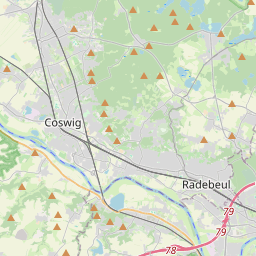
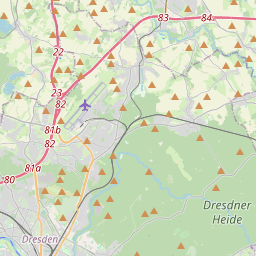
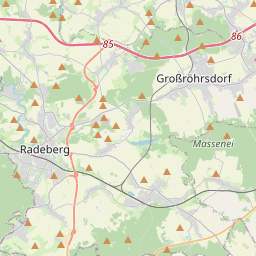
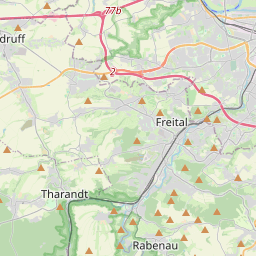
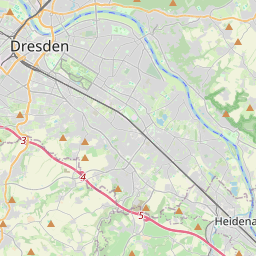
En el mapa
Último precio
—
Precio mínimo
—
Mediana 7 d
—
Ventas 30 d
0
Rango 30 d
—
En circulación
0
Cotización
mediana
mín – máx
ventas
Sin ventas en el periodo
Ver tabla
| Fecha | mediana | Mín | Máx | ventas |
|---|
Historial de ventas
- Última venta
- —
- Media 30 d
- —
- Mínimo 30 d
- —
- Máximo 30 d
- —
- Ventas 7 d
- 0
- Ventas 30 d
- 0
Aún no hay ventas.
Ventas anónimas: sin comprador ni vendedor. Las cifras solo cuentan ventas entre jugadores.
En Wikipedia
Texto en inglés Aún no hay artículo en tu idioma: extracto en inglés.
Blasewitz (German pronunciation: [ˈblaːzəvɪts]) is a larger borough (Stadtbezirk) of Dresden, Germany in the city's eastern centre on the Elbe river. It consists of seven quarters (Stadtteile): Blasewitz Striesen-Ost Striesen-Süd Striesen-West Tolkewitz/Seidnitz-Nord Seidnitz/Dobritz Gruna Blasewitz is connected to the borough of Loschwitz north of the river Elbe by the Blue Wonder (Blaues Wunder) bridge, Johannstadt to the west, Striesen to the south, and Tolkewitz to the east. Blasewitz, Loschwitz and Weißer Hirsch form the core of a bigger city area which is known as Germany's largest coherent urban territory architecturally dominated by historic villas. As well as nearby quarters as Wachwitz and Kleinzschachwitz, they were all struck in World War II by the allied bombings but much less than others located closer to the city center. The destruction of whole streets ended at the street Fetscherstraße, which denotes the beginning of the described villa area. It is the biggest but not the only one of its kind in Dresden. Blasewitz was first mentioned in 1349. The village of fishermen and wine-growers developed into a suburb of Dresden in the Gründerzeit. Reasonably low taxes made it a popular residence for the wealthy until its incorporation. Its main square is Schillerplatz, site of a movie theatre and Schillergalerie mall. Nearby is the Heilig-Geist-Kirche parish church, which was built in Neo-Gothic style in 1893 according to plans by Karl Emil Scherz. Friedrich Schiller eternalized Blasewitz in his play Wallensteins Lager where Justine Renner says: "Was der Blitz, das ist ja die Gustl von Blasewitz!" (Like the lightning that is the Gustl from Blasewitz). The Gymnasium Kreuzschule which was first mentioned in 1216, and is thus almost as old as Dresden, has been located in Striesen/Blasewitz since 1945. The Carl Maria von Weber Gymnasium and the Dresden International School are in Blasewitz as well,...
Texto: Wikipedia en inglés, CC BY-SA 4.0. · Imagen: Brücke-Osteuropa (CC0) ·
Cartas cercanas
-

Loschwitz
Barrio de Dresde
Nº Q8939 ★★
Sin ofertas
-

Loschwitz Bridge
Bridge over the river Elbe
Nº Q567518 ★★★
Sin ofertas
-

Prießnitz (Elbe)
River in Germany
Nº Q546853 ★★
Sin ofertas
-

Pieschen
Barrio de Dresde
Nº Q8945 ★★
Sin ofertas
-

Klotzsche
Barrio de Dresde
Nº Q8931 ★★
Sin ofertas
-

Brunswick
Ciudad de Baja Sajonia, Alemania
Nº Q2773 ★★★★★
Sin ofertas