
Loschwitz
Barrio de Dresde
Loschwitz (German pronunciation: [ˈlɔʃvɪts]) is a borough (Stadtbezirk) of Dresden, Germany, incorporated in 1921. It consists of ten quarters (Stadtteile): Loschwitz is a villa quarter located at the slopes north of the Elbe river.
Nº Q8939 ★★
Poco común · Lugares
Loschwitz
Barrio de Dresde
Loschwitz (German pronunciation: [ˈlɔʃvɪts]) is a borough (Stadtbezirk) of Dresden, Germany, incorporated in 1921. It consists of ten quarters (Stadtteile): Loschwitz is a villa quarter located at the slopes north of the Elbe river.
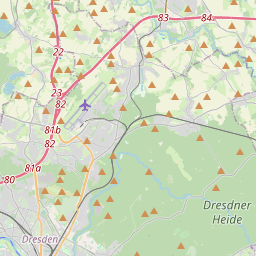
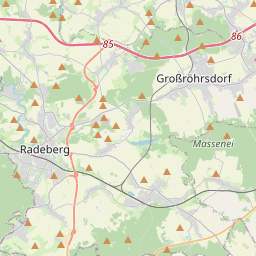
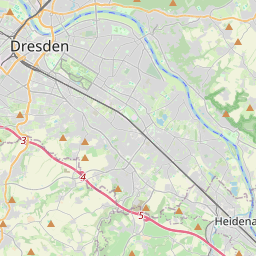
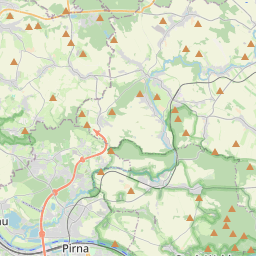
En el mapa
Último precio
—
Precio mínimo
—
Mediana 7 d
—
Ventas 30 d
0
Rango 30 d
—
En circulación
0
Cotización
mediana
mín – máx
ventas
Sin ventas en el periodo
Ver tabla
| Fecha | mediana | Mín | Máx | ventas |
|---|
Historial de ventas
- Última venta
- —
- Media 30 d
- —
- Mínimo 30 d
- —
- Máximo 30 d
- —
- Ventas 7 d
- 0
- Ventas 30 d
- 0
Aún no hay ventas.
Ventas anónimas: sin comprador ni vendedor. Las cifras solo cuentan ventas entre jugadores.
En Wikipedia
Texto en inglés Aún no hay artículo en tu idioma: extracto en inglés.
Loschwitz (German pronunciation: [ˈlɔʃvɪts]) is a borough (Stadtbezirk) of Dresden, Germany, incorporated in 1921. It consists of ten quarters (Stadtteile): Loschwitz is a villa quarter located at the slopes north of the Elbe river. At the top of the hillside is the quarter of Weißer Hirsch, named after a former inn erected in 1685 by the Saxon kapellmeister Christoph Bernhard, where in 1888 the naturopathic physician Heinrich Lahmann opened a sanatorium. The quarters of Wachwitz and Pillnitz are adjacent in the east and the Rosengarten park in the west. Loschwitz is connected with the borough of Blasewitz south of the Elbe by the Blue Wonder (Blaues Wunder) bridge. Furthermore, the borough encompasses large parts of the Dresden Heath, the city's forest. The old village of Loschwitz, a wine-growing area since the 11th century, was first mentioned in a 1227 deed. About 1660 Elector John George II of Saxony had several vineyards laid out at the hillside, that soon became a fashionable recreational and residential area for the Dresden nobility and wealthy bourgeois like the composer Heinrich Schütz or the goldsmith Johann Melchior Dinglinger. The author Christian Gottfried Körner had a cottage within the vineyards, where his guest Friedrich Schiller wrote the Ode to Joy in 1785. About 1800 James Ogilvy, 7th Earl of Findlater acquired large estates, where from 1850 the Elbschlösser (Elbe Castles) were erected: Albrechtsberg Palace and Villa Stockhausen (Lingnerschloss) of Prince Albert of Prussia as well as Eckberg Castle, finished in 1861. The church is of especial architectural and historical interest, as is the churchyard, for the many burials of notable people. It was full by about 1800 and was replaced by Loschwitz Cemetery. A popular place is the restaurant Luisenhof, built in 1895 and named after Crown Princess Luise of Saxony. The "Dresden balcony" offers a...
Texto: Wikipedia en inglés, CC BY-SA 4.0. · Imagen: Masur (CC BY-SA 3.0) ·
Cartas cercanas
-

Blasewitz
Barrio de Dresde
Nº Q8897 ★★
Sin ofertas
-

Klotzsche
Barrio de Dresde
Nº Q8931 ★★
Sin ofertas
-

Loschwitz Church
Church building in Loschwitz, Germany
Nº Q1870615 ★
Sin ofertas
-

Bühlau (Dresden)
Quarter in the east of the Saxon capital Dresden
Nº Q13427151 ★
Sin ofertas
-

Loschwitz Cemetery
Cemetery in Dresden, Germany
Nº Q1870608 ★
Sin ofertas
-

Plagwitz
Quarter in Leipzig
Nº Q1519026 ★★★
Sin ofertas