
Kloster, Sweden
Settlement in Hedemora Municipality,Sweden
Kloster is a village in Hedemora Municipality, Dalarna, Sweden, kloster is a historically significant village in Hedemora Municipality, Dalarna County, Sweden, renowned for its transition from a medieval religious center to a major industrial hub. The village takes its name from the Gudsberga Abbey (Gudsberga kloster), which was established in 1486 as the final Cistercian monastery founded in Sweden before the Protestant Reformation.
Nº Q2504989 ★★★
Rara · Lugares
Kloster, Sweden
Settlement in Hedemora Municipality,Sweden
Kloster is a village in Hedemora Municipality, Dalarna, Sweden, kloster is a historically significant village in Hedemora Municipality, Dalarna County, Sweden, renowned for its transition from a medieval religious center to a major industrial hub. The village takes its name from the Gudsberga Abbey (Gudsberga kloster), which was established in 1486 as the final Cistercian monastery founded in Sweden before the Protestant Reformation.
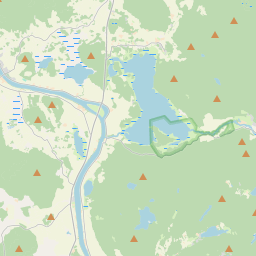
En el mapa

Último precio
—
Precio mínimo
—
Mediana 7 d
—
Ventas 30 d
0
Rango 30 d
—
En circulación
0
Cotización
mediana
mín – máx
ventas
Sin ventas en el periodo
Ver tabla
| Fecha | mediana | Mín | Máx | ventas |
|---|
Historial de ventas
- Última venta
- —
- Media 30 d
- —
- Mínimo 30 d
- —
- Máximo 30 d
- —
- Ventas 7 d
- 0
- Ventas 30 d
- 0
Aún no hay ventas.
Ventas anónimas: sin comprador ni vendedor. Las cifras solo cuentan ventas entre jugadores.
En Wikipedia
Texto en inglés Aún no hay artículo en tu idioma: extracto en inglés.
Kloster is a village in Hedemora Municipality, Dalarna, Sweden, kloster is a historically significant village in Hedemora Municipality, Dalarna County, Sweden, renowned for its transition from a medieval religious center to a major industrial hub. The village takes its name from the Gudsberga Abbey (Gudsberga kloster), which was established in 1486 as the final Cistercian monastery founded in Sweden before the Protestant Reformation. Following the dissolution of the monastery in 1527, the site evolved into a vital industrial site; by the 18th century, it housed Sweden's largest black powder mill (operating from 1741 to 1871) and a pioneering ironworks. At its peak in the 19th century, the ironworks employed approximately 900 people and featured the country's first sheet-metal rolling mill. Today, the village is a key stop on the Husbyringen nature trail and maintains several cultural landmarks, including the ruins of Gudsberga Abbey, the Kloster Ironworks Museum located in the former stables, and a forge used by the famed inventor Gustaf de Laval.
Texto: Wikipedia en inglés, CC BY-SA 4.0. · Imagen: Calle Eklund/V-wolf (CC BY-SA 3.0) ·
Cartas cercanas

Vadstena
Localidad de Suecia
Nº Q265682 ★★★

Gustavia
Ciudad capital de San Bartolomé
Nº Q34112 ★★★

Mount Desert Island
Island off the coast of Maine, United States
Nº Q1315822 ★★★

Connaught Place
Nº Q2341950 ★★★

Condado de Galway
Condado de Irlanda
Nº Q169923 ★★★

Provincia del Cabo Septentrional
Provincia de Sudáfrica
Nº Q132418 ★★★